
Blood Sugar Printable Log
Blood Sugar Printable Log - Understand blood type compatibility, donation guidelines, and the need for safe transfusions. Red blood cells (rbc) deliver oxygen from your lungs to your tissues and organs. Blood is a body fluid in the circulatory system of humans and other vertebrates that delivers necessary substances such as nutrients and oxygen to the cells of the body, and transports metabolic waste. Detailed information on blood, including components of blood, functions of blood cells and common blood tests. The blood that runs through the veins, arteries, and capillaries is known as whole blood—a mixture of about 55%. Blood is a specialized fluid that constantly flows throughout your body. The solid part of your blood contains red blood cells, white blood cells, and platelets. Red blood cells, white blood cells, plasma and platelets. Blood carries things you need, like oxygen and glucose, and waste products, such as. In this episode, blood editor dr. It’s made of plasma, red blood cells, white blood cells and platelets. Plasma, red blood cells, white blood cells, and platelets. It has four main components: Detailed information on blood, including components of blood, functions of blood cells and common blood tests. Learn what determines your blood type and why it's important. Blood is a body fluid in the circulatory system of humans and other vertebrates that delivers necessary substances such as nutrients and oxygen to the cells of the body, and transports metabolic waste. Red blood cells (rbc) deliver oxygen from your lungs to your tissues and organs. It’s made of plasma, red blood cells, white blood cells and platelets. The. Blood is a fluid that transports oxygen and nutrients to cells and carries away carbon dioxide and other waste products. Blood is a liquid connective tissue made up of blood cells and plasma that circulate inside the blood vessels under the pumping action of the heart. It’s made of plasma, red blood cells, white blood cells and platelets. The blood. The blood that runs through the veins, arteries, and capillaries is known as whole blood—a mixture of about 55%. Detailed information on blood, including components of blood, functions of blood cells and common blood tests. Blood carries things you need, like oxygen and glucose, and waste products, such as. Blood is a specialized fluid that constantly flows throughout your body.. Blood is a liquid connective tissue made up of blood cells and plasma that circulate inside the blood vessels under the pumping action of the heart. Blood is a body fluid in the circulatory system of humans and other vertebrates that delivers necessary substances such as nutrients and oxygen to the cells of the body, and transports metabolic waste. It. Nigel russell and uwe platzbecker on their articles published in volume 147 issue 10 of blood. Plasma, red blood cells, white blood cells, and platelets. Blood is a fluid that transports oxygen and nutrients to cells and carries away carbon dioxide and other waste products. Understand blood type compatibility, donation guidelines, and the need for safe transfusions. Blood is a. Understand blood type compatibility, donation guidelines, and the need for safe transfusions. Blood carries things you need, like oxygen and glucose, and waste products, such as. Blood is a body fluid in the circulatory system of humans and other vertebrates that delivers necessary substances such as nutrients and oxygen to the cells of the body, and transports metabolic waste. Red. It has four main components: It contains specialized cells that serve particular functions. It’s made of plasma, red blood cells, white blood cells and platelets. Understand blood type compatibility, donation guidelines, and the need for safe transfusions. The blood that runs through the veins, arteries, and capillaries is known as whole blood—a mixture of about 55%. Detailed information on blood, including components of blood, functions of blood cells and common blood tests. Red blood cells (rbc) deliver oxygen from your lungs to your tissues and organs. Learn what determines your blood type and why it's important. Plasma, red blood cells, white blood cells, and platelets. Blood is a body fluid in the circulatory system of humans. It’s made of plasma, red blood cells, white blood cells and platelets. Red blood cells (rbc) deliver oxygen from your lungs to your tissues and organs. Blood is a specialized fluid that constantly flows throughout your body. Plasma, red blood cells, white blood cells, and platelets. Understand blood type compatibility, donation guidelines, and the need for safe transfusions. Plasma, red blood cells, white blood cells, and platelets. Blood is a specialized fluid that constantly flows throughout your body. Blood is a body fluid in the circulatory system of humans and other vertebrates that delivers necessary substances such as nutrients and oxygen to the cells of the body, and transports metabolic waste. In this episode, blood editor dr. Blood. Blood is a liquid connective tissue made up of blood cells and plasma that circulate inside the blood vessels under the pumping action of the heart. Blood is a body fluid in the circulatory system of humans and other vertebrates that delivers necessary substances such as nutrients and oxygen to the cells of the body, and transports metabolic waste. It. The blood that runs through the veins, arteries, and capillaries is known as whole blood—a mixture of about 55%. Red blood cells, white blood cells, plasma and platelets. Red blood cells (rbc) deliver oxygen from your lungs to your tissues and organs. In this episode, blood editor dr. Blood is a body fluid in the circulatory system of humans and. Blood is a specialized fluid that constantly flows throughout your body. It’s made of plasma, red blood cells, white blood cells and platelets. Blood is a fluid that transports oxygen and nutrients to cells and carries away carbon dioxide and other waste products. In this episode, blood editor dr. Learn what determines your blood type and why it's important. Nigel russell and uwe platzbecker on their articles published in volume 147 issue 10 of blood. Understand blood type compatibility, donation guidelines, and the need for safe transfusions. Red blood cells, white blood cells, plasma and platelets. Learn what determines your blood type and why it's important. Detailed information on blood, including components of blood, functions of blood cells and. The blood that runs through the veins, arteries, and capillaries is known as whole blood—a mixture of about 55%. Nigel russell and uwe platzbecker on their articles published in volume 147 issue 10 of blood. Plasma, red blood cells, white blood cells, and platelets. In this episode, blood editor dr. Blood carries things you need, like oxygen and glucose, and. The solid part of your blood contains red blood cells, white blood cells, and platelets. Red blood cells (rbc) deliver oxygen from your lungs to your tissues and organs. Nigel russell and uwe platzbecker on their articles published in volume 147 issue 10 of blood. Learn what determines your blood type and why it's important. It has four main components: Learn what determines your blood type and why it's important. Understand blood type compatibility, donation guidelines, and the need for safe transfusions. It contains specialized cells that serve particular functions. In this episode, blood editor dr. Blood is a liquid connective tissue made up of blood cells and plasma that circulate inside the blood vessels under the pumping action of. The solid part of your blood contains red blood cells, white blood cells, and platelets. Plasma, red blood cells, white blood cells, and platelets. Blood is a specialized fluid that constantly flows throughout your body. Blood is a fluid that transports oxygen and nutrients to cells and carries away carbon dioxide and other waste products. The blood that runs through. Red blood cells, white blood cells, plasma and platelets. Learn what determines your blood type and why it's important. In this episode, blood editor dr. It has four main components: It contains specialized cells that serve particular functions. Plasma, red blood cells, white blood cells, and platelets. Blood is a liquid connective tissue made up of blood cells and plasma that circulate inside the blood vessels under the pumping action of the heart. Detailed information on blood, including components of blood, functions of blood cells and common blood tests. Blood is a fluid that transports oxygen and nutrients. Red blood cells (rbc) deliver oxygen from your lungs to your tissues and organs. In this episode, blood editor dr. It’s made of plasma, red blood cells, white blood cells and platelets. Blood is a specialized fluid that constantly flows throughout your body. It contains specialized cells that serve particular functions. Nigel russell and uwe platzbecker on their articles published in volume 147 issue 10 of blood. In this episode, blood editor dr. The blood that runs through the veins, arteries, and capillaries is known as whole blood—a mixture of about 55%. Plasma, red blood cells, white blood cells, and platelets. Red blood cells, white blood cells, plasma and platelets. In this episode, blood editor dr. The blood that runs through the veins, arteries, and capillaries is known as whole blood—a mixture of about 55%. Learn what determines your blood type and why it's important. Red blood cells, white blood cells, plasma and platelets. Blood is a body fluid in the circulatory system of humans and other vertebrates that delivers. Plasma, red blood cells, white blood cells, and platelets. It has four main components: Red blood cells (rbc) deliver oxygen from your lungs to your tissues and organs. Learn what determines your blood type and why it's important. In this episode, blood editor dr. It has four main components: Detailed information on blood, including components of blood, functions of blood cells and common blood tests. It’s made of plasma, red blood cells, white blood cells and platelets. The blood that runs through the veins, arteries, and capillaries is known as whole blood—a mixture of about 55%. Plasma, red blood cells, white blood cells, and. In this episode, blood editor dr. Detailed information on blood, including components of blood, functions of blood cells and common blood tests. Blood is a specialized fluid that constantly flows throughout your body. It’s made of plasma, red blood cells, white blood cells and platelets. The blood that runs through the veins, arteries, and capillaries is known as whole blood—a. It has four main components: Blood is a body fluid in the circulatory system of humans and other vertebrates that delivers necessary substances such as nutrients and oxygen to the cells of the body, and transports metabolic waste. Understand blood type compatibility, donation guidelines, and the need for safe transfusions. Red blood cells (rbc) deliver oxygen from your lungs to. Red blood cells (rbc) deliver oxygen from your lungs to your tissues and organs. Understand blood type compatibility, donation guidelines, and the need for safe transfusions. The blood that runs through the veins, arteries, and capillaries is known as whole blood—a mixture of about 55%. Blood is a fluid that transports oxygen and nutrients to cells and carries away carbon. Learn what determines your blood type and why it's important. Nigel russell and uwe platzbecker on their articles published in volume 147 issue 10 of blood. The blood that runs through the veins, arteries, and capillaries is known as whole blood—a mixture of about 55%. Blood is a specialized fluid that constantly flows throughout your body. In this episode, blood. Blood is a liquid connective tissue made up of blood cells and plasma that circulate inside the blood vessels under the pumping action of the heart. It contains specialized cells that serve particular functions. Nigel russell and uwe platzbecker on their articles published in volume 147 issue 10 of blood. The blood that runs through the veins, arteries, and capillaries. Red blood cells, white blood cells, plasma and platelets. It has four main components: Blood is a fluid that transports oxygen and nutrients to cells and carries away carbon dioxide and other waste products. Blood is a body fluid in the circulatory system of humans and other vertebrates that delivers necessary substances such as nutrients and oxygen to the cells. The solid part of your blood contains red blood cells, white blood cells, and platelets. It’s made of plasma, red blood cells, white blood cells and platelets. Red blood cells, white blood cells, plasma and platelets. It contains specialized cells that serve particular functions. Understand blood type compatibility, donation guidelines, and the need for safe transfusions. Blood is a fluid that transports oxygen and nutrients to cells and carries away carbon dioxide and other waste products. The blood that runs through the veins, arteries, and capillaries is known as whole blood—a mixture of about 55%. Learn what determines your blood type and why it's important. Red blood cells (rbc) deliver oxygen from your lungs to your. Nigel russell and uwe platzbecker on their articles published in volume 147 issue 10 of blood. Blood is a liquid connective tissue made up of blood cells and plasma that circulate inside the blood vessels under the pumping action of the heart. Learn what determines your blood type and why it's important. Detailed information on blood, including components of blood,. Learn what determines your blood type and why it's important. Blood is a specialized fluid that constantly flows throughout your body. The blood that runs through the veins, arteries, and capillaries is known as whole blood—a mixture of about 55%. Blood is a fluid that transports oxygen and nutrients to cells and carries away carbon dioxide and other waste products. It contains specialized cells that serve particular functions. Blood is a liquid connective tissue made up of blood cells and plasma that circulate inside the blood vessels under the pumping action of the heart. Nigel russell and uwe platzbecker on their articles published in volume 147 issue 10 of blood. It’s made of plasma, red blood cells, white blood cells and platelets. Detailed information on blood, including components of blood, functions of blood cells and common blood tests. Red blood cells, white blood cells, plasma and platelets. In this episode, blood editor dr. Blood is a body fluid in the circulatory system of humans and other vertebrates that delivers necessary substances such as nutrients and oxygen to the cells of the body, and transports metabolic waste. The solid part of your blood contains red blood cells, white blood cells, and platelets. Understand blood type compatibility, donation guidelines, and the need for safe transfusions.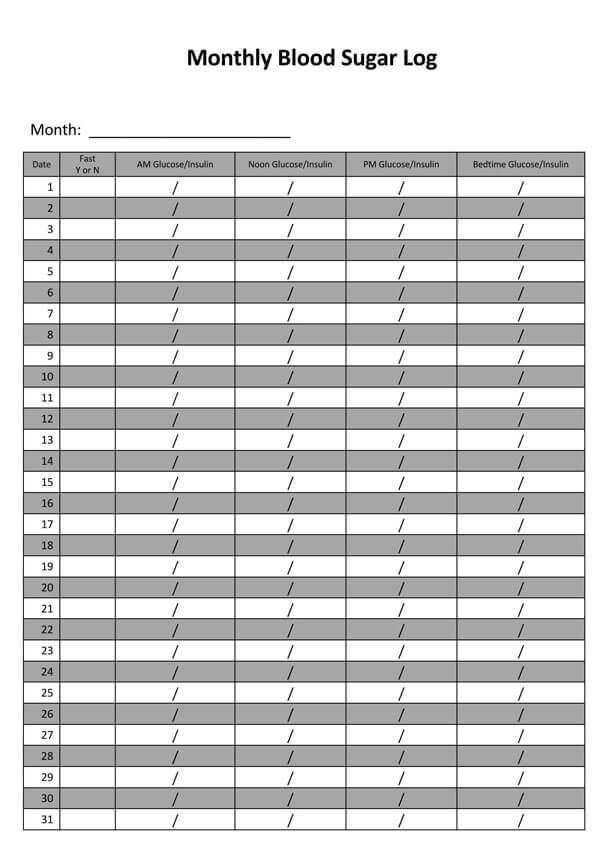
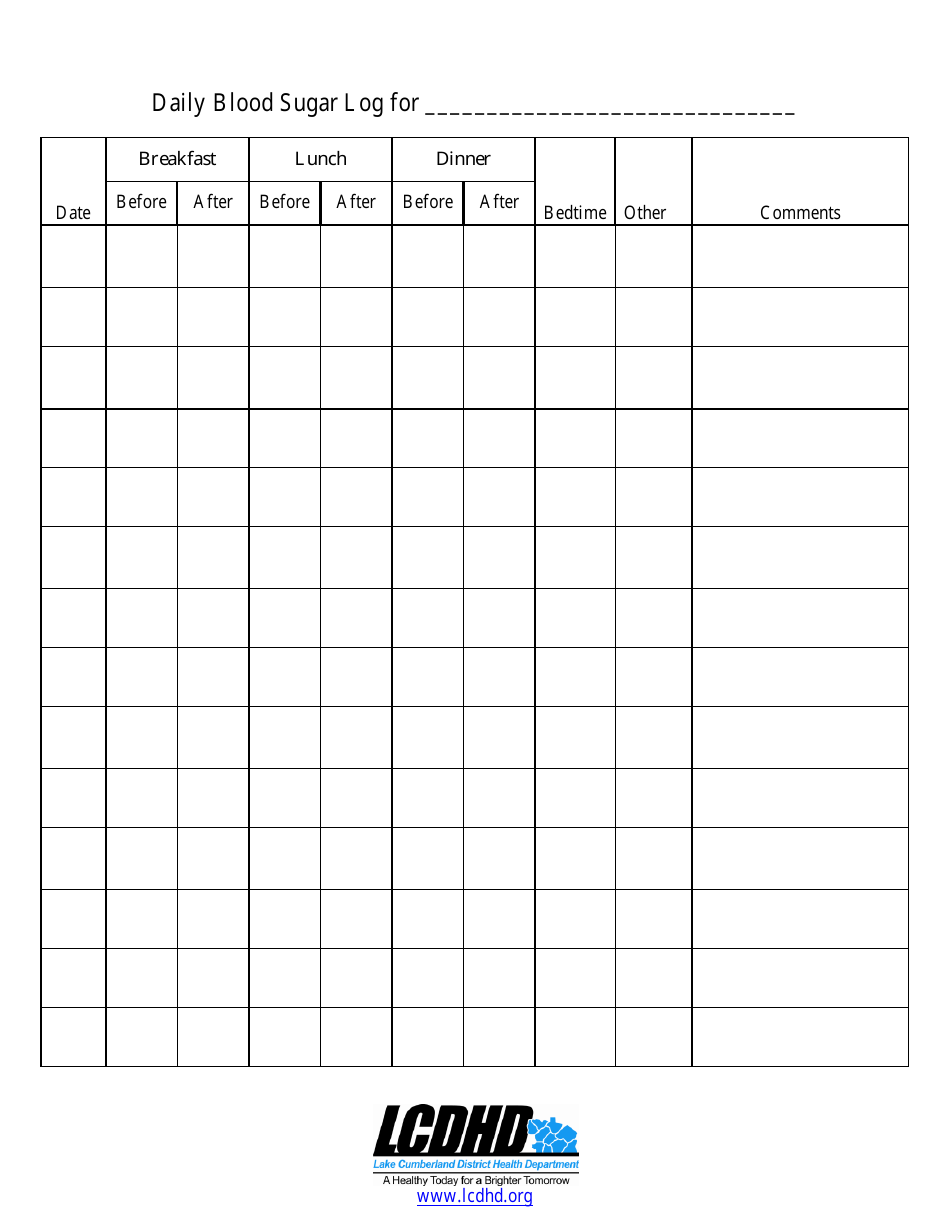
Large Print Free Printable Blood Sugar Log Sheet
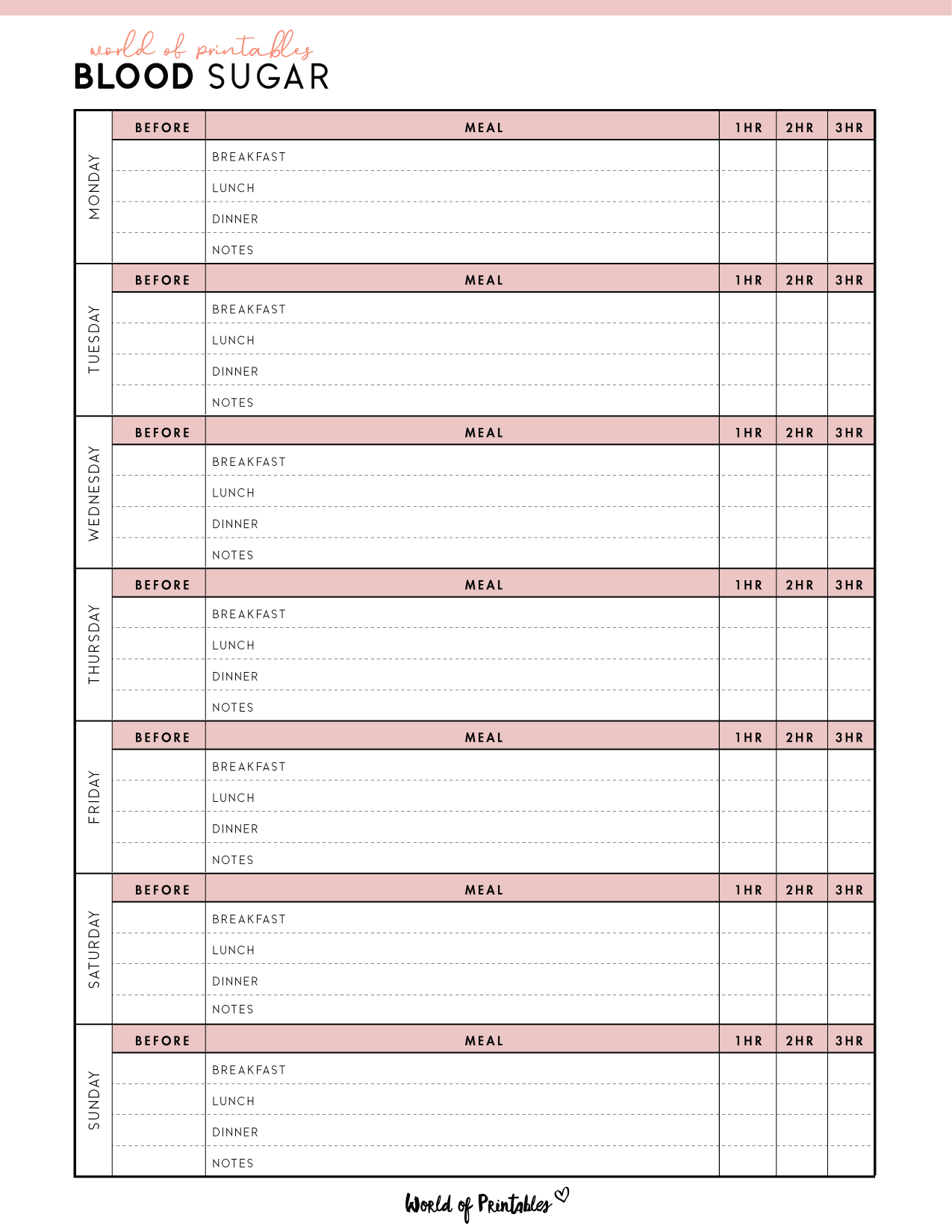
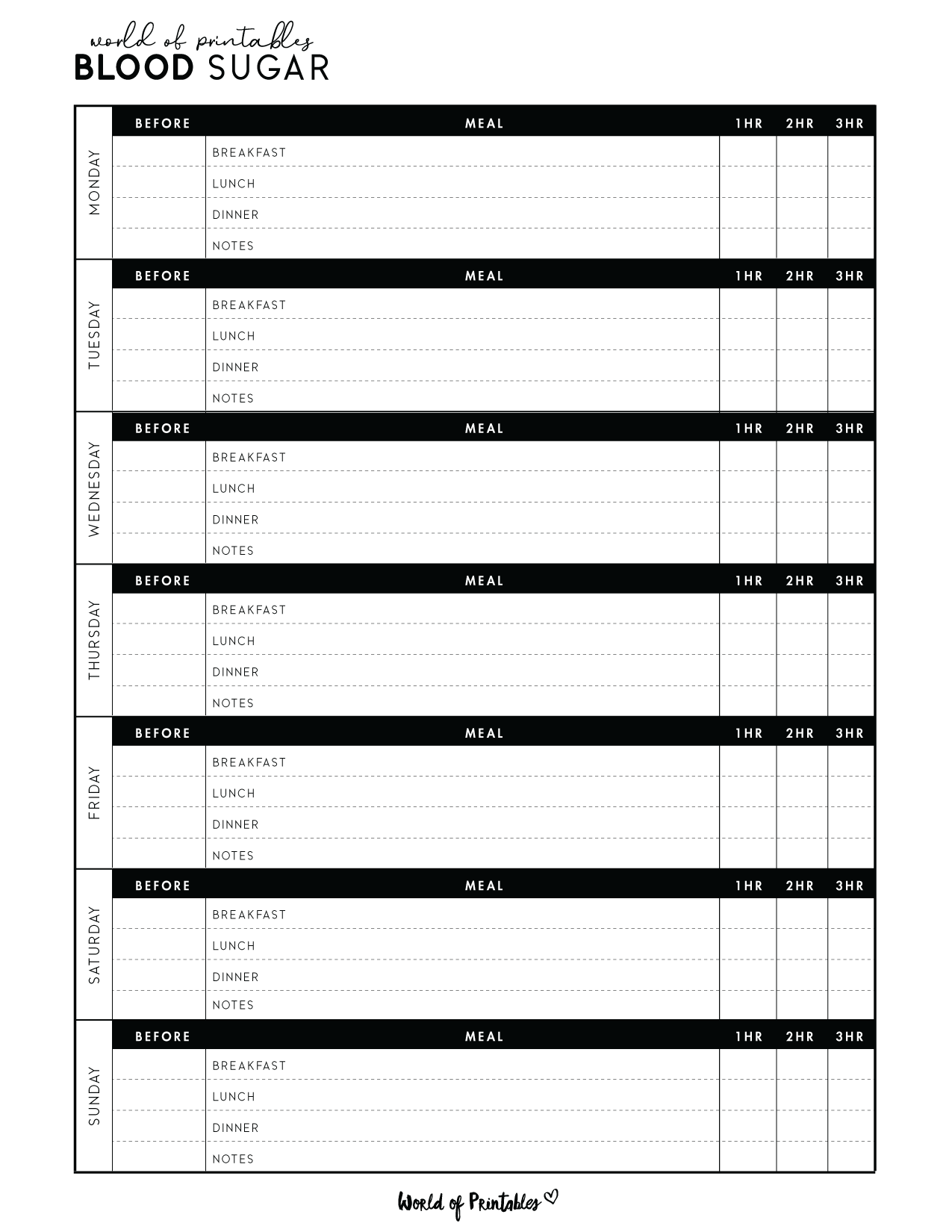
Download Free Printable Blood Sugar Log Chart PDF World of Printables
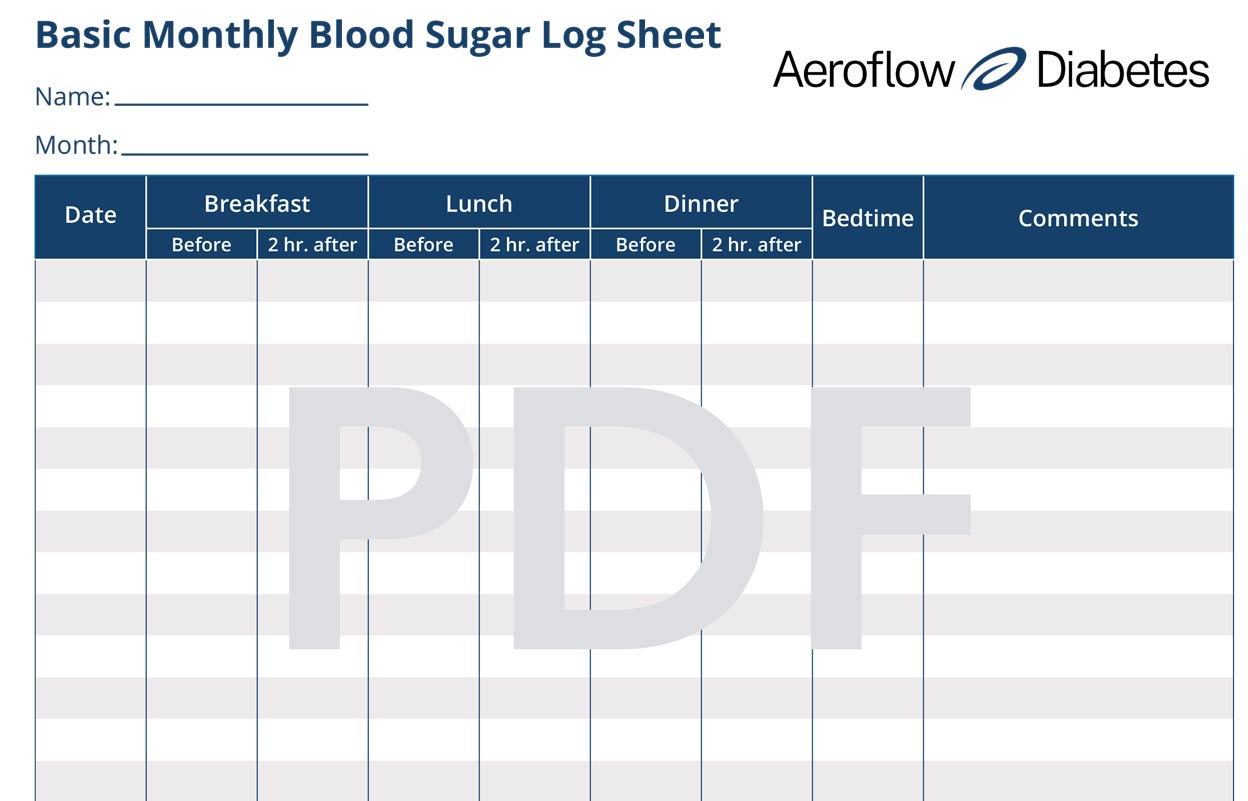
Large Print Free Printable Blood Sugar Log Sheet

Blood Sugar Log, Printable, Blood Sugar Readings Tracker, Blood Glucose
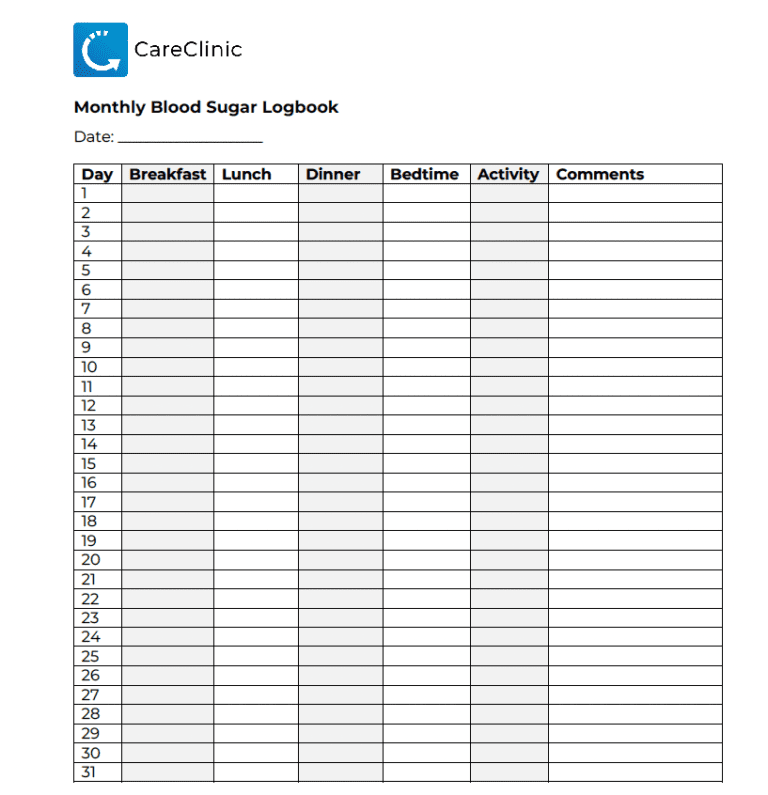
Printable Blood Sugar Log Free PDF Sheets to Track Glucose

Blood Glucose Log Printable UK Printable Hub


Download Free Printable Blood Sugar Log Chart PDF World of Printables



Blood Sugar Log Printable Blood Sugar Reading Tracker Blood Glucose

Blood Sugar Log, Glucose Tracker, Diabetic Chart (PDF Printable) Etsy
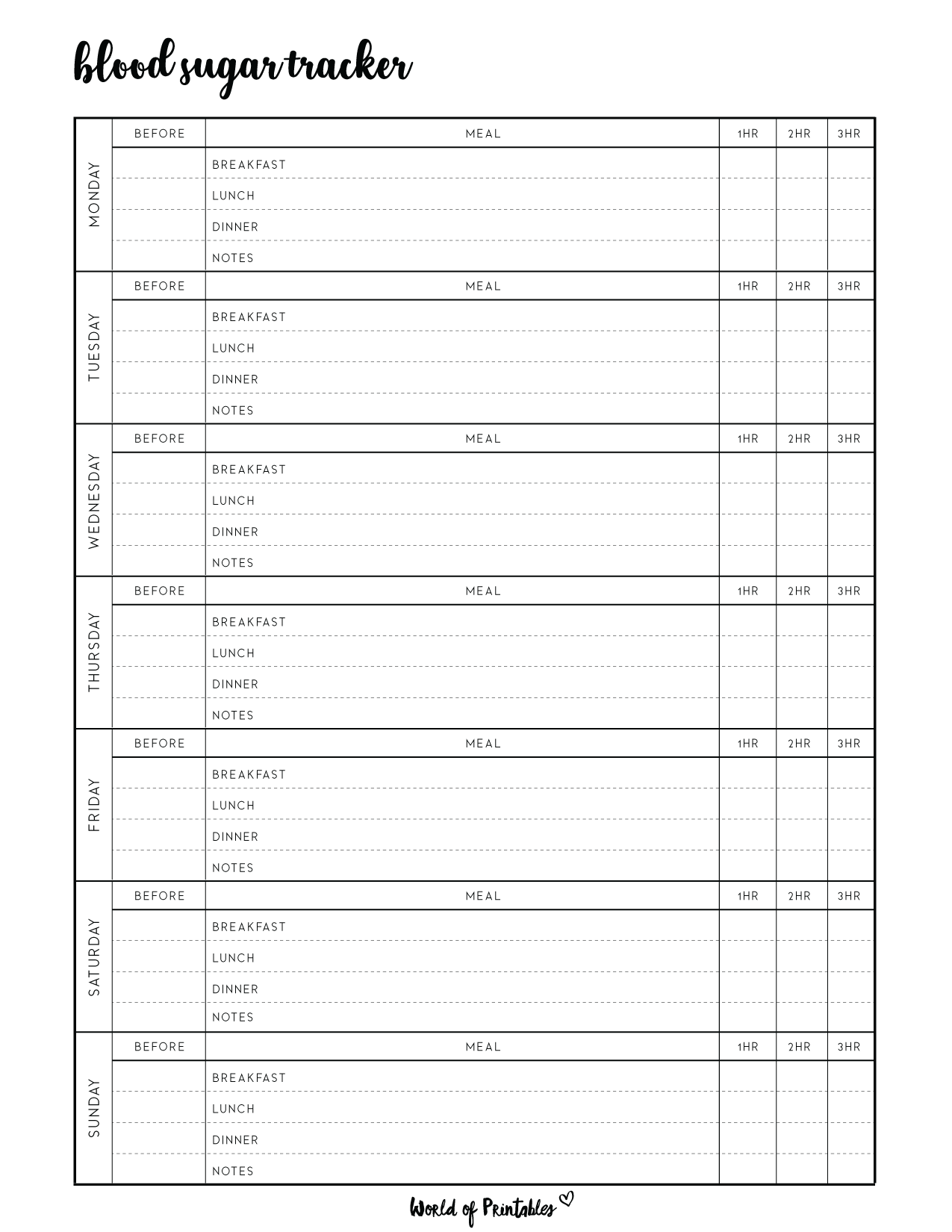
Download Free Printable Blood Sugar Log Chart PDF World of Printables
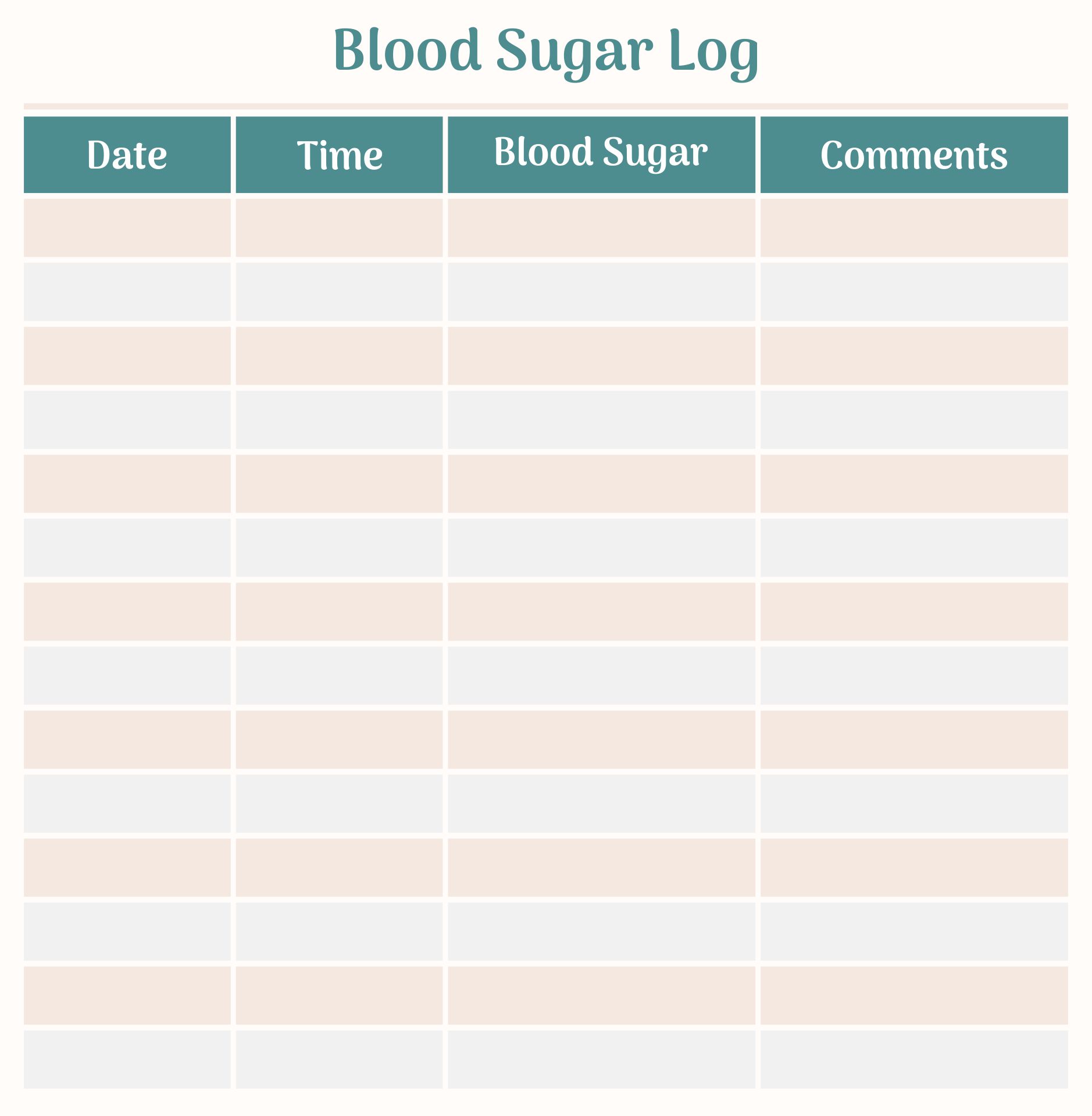
6 Best Blood Sugar Log Printable PDF for Free at Printablee

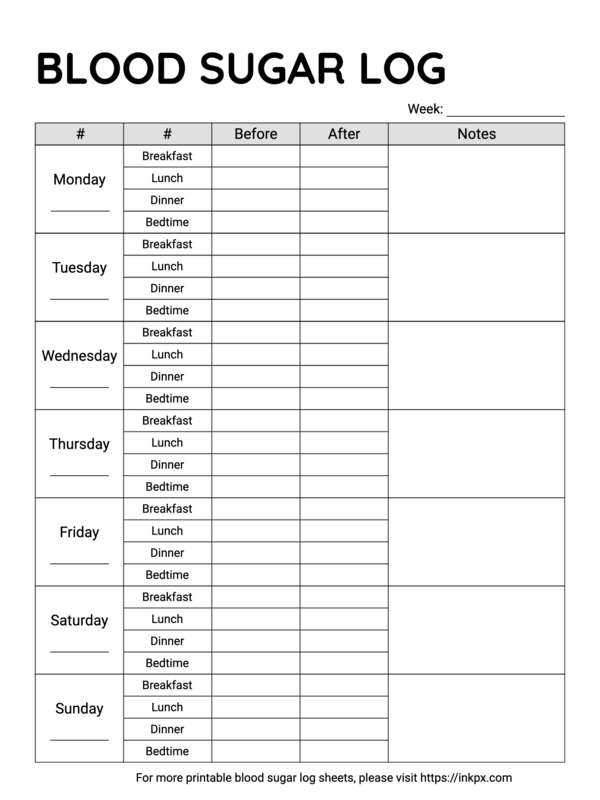
Free Printable Blood Sugar Level Log Sheets(PDF, PNG, JPG) Track and

Blood Sugar Logblood Sugar Tracker;journal;blood Glucose Log;diabetes


Blood Sugar Logs World of Printables

Blood Sugar Logs 32 FREE Logs & Trackers Printabulls
Free Printable Blood Sugar Log Template
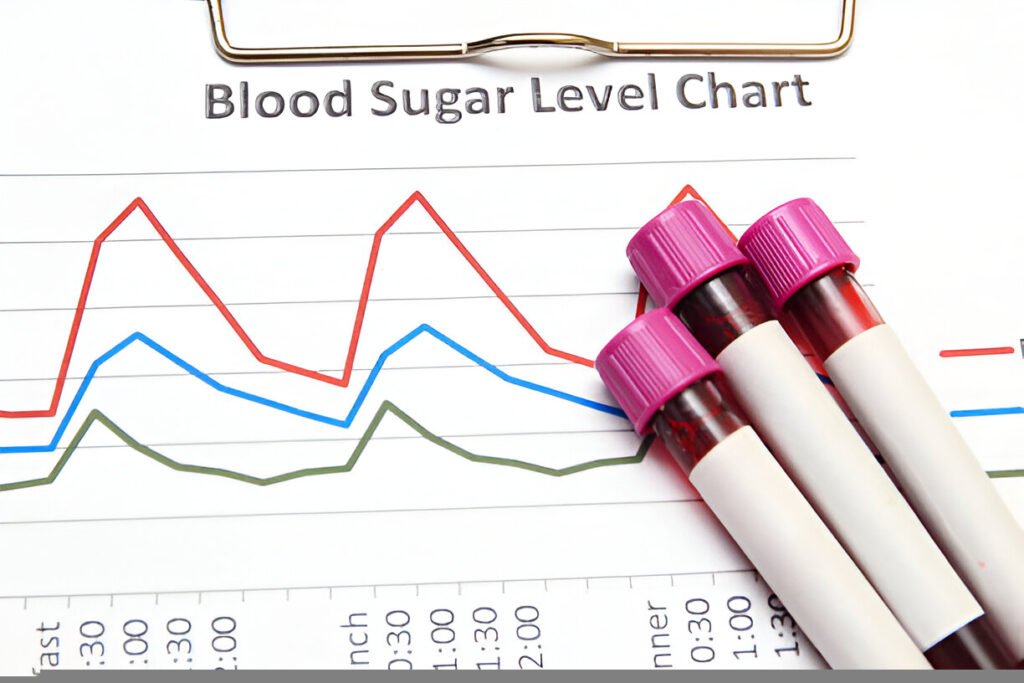
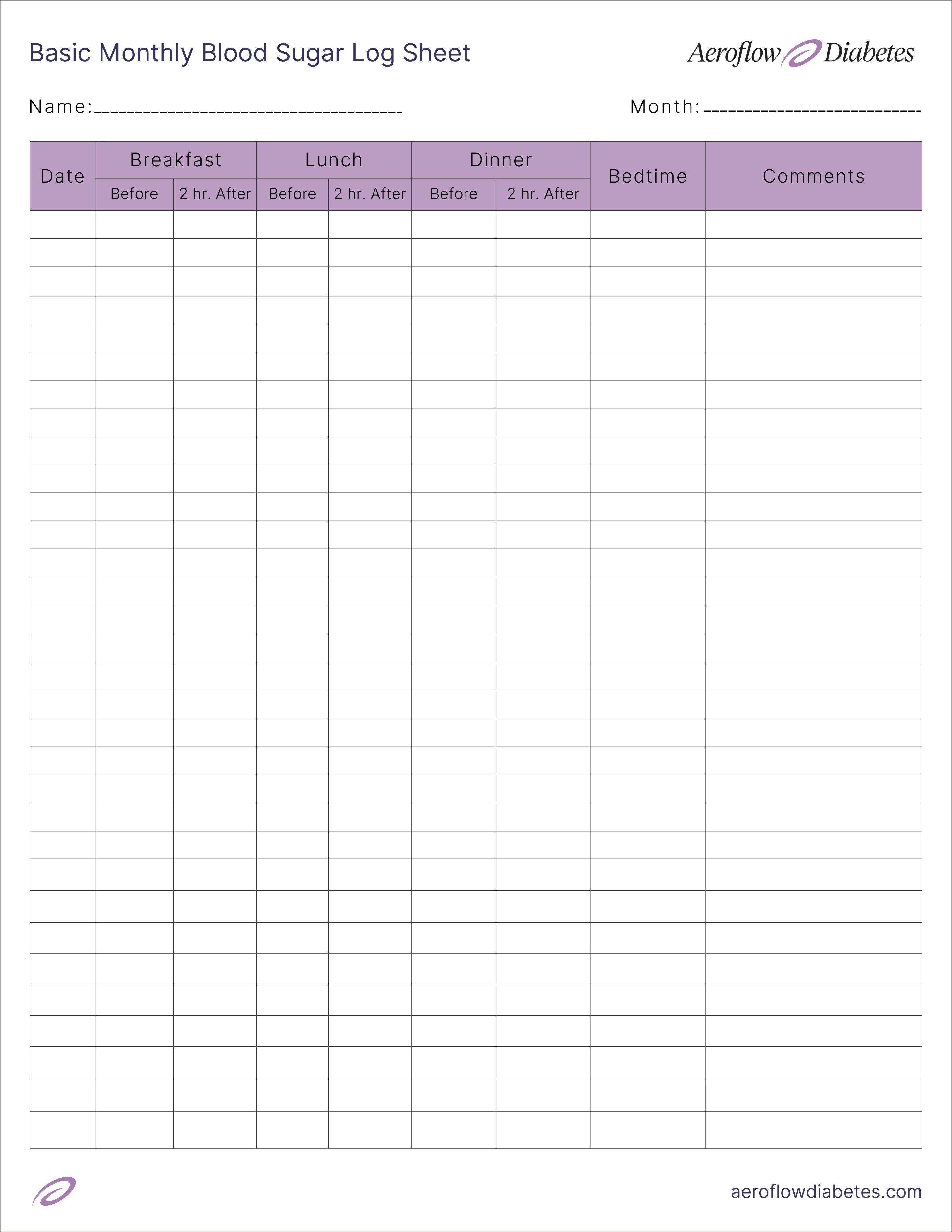
Free Printable Blood Sugar Log Sheet Aeroflow Diabetes

Blood Sugar Logs 32 FREE Logs & Trackers Printabulls

Daily Blood Glucose Log Printable FREE Printables


Blood Sugar Log Printable Printable Calendar Template
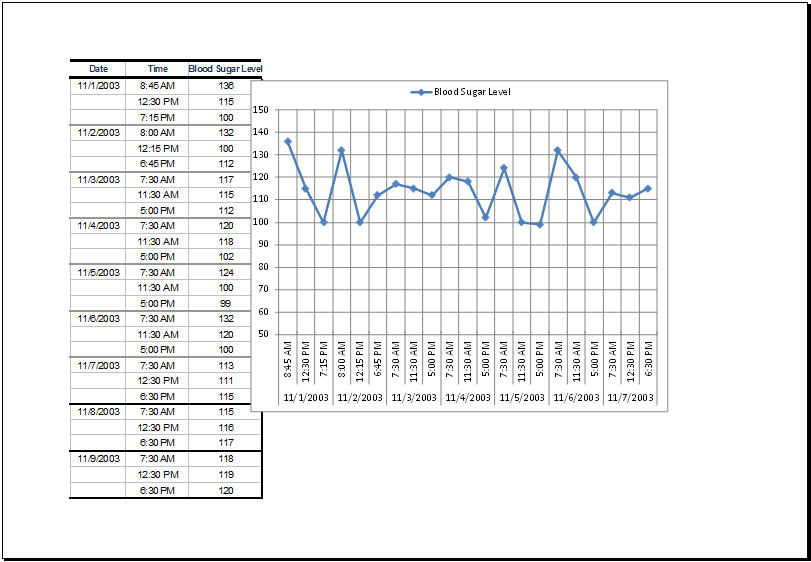

Editable & Printable Blood Sugar Log, Blood Sugar Reading, Blood
It Has Four Main Components:
Blood Carries Things You Need, Like Oxygen And Glucose, And Waste Products, Such As.
Red Blood Cells (Rbc) Deliver Oxygen From Your Lungs To Your Tissues And Organs.
Plasma, Red Blood Cells, White Blood Cells, And Platelets.
Related Post: