
Insect Printable Coloring Pages
Insect Printable Coloring Pages - There are over 1 million identified species of insects and spiders in the world with many more still awaiting discovery. Their bodies are divided into three major regions: In this post, you’ll learn their names through lists and pictures for better recognition and communication. Insect, (class insecta or hexapoda), any member of the largest class of the phylum arthropoda, which is itself the largest of the animal phyla. Each entry highlights the insect’s appearance, behavior, habitat,. They are the largest group within the arthropod phylum. From mosquitoes to fireflies, insects names include hundreds of crawling and flying types. This list introduces 40 of the most commonly found insect types —including pollinators, predators, pests, and decomposers. The body of an insect has three main parts: Many insects also have wings, though not all of them fly. Many insects also have wings, though not all of them fly. A head, a thorax, and an abdomen. From mosquitoes to fireflies, insects names include hundreds of crawling and flying types. Insects (class insecta) have segmented bodies, jointed legs, and external skeletons. Insects (from latin insectum) are hexapod invertebrates of the class insecta. There are over 1 million identified species of insects and spiders in the world with many more still awaiting discovery. Their bodies are divided into three major regions: What counts as an insect? Insects (from latin insectum) are hexapod invertebrates of the class insecta. On the head are an insect's compound eyes, its two antennae (they feel and smell things),. In this post, you’ll learn their names through lists and pictures for better recognition and communication. This list introduces 40 of the most commonly found insect types —including pollinators, predators, pests, and decomposers. A head, a thorax, and an abdomen. A true insect has six legs, one pair of antennae, and a body divided into head, thorax, and abdomen. There. Many insects also have wings, though not all of them fly. Insects have segmented bodies, jointed. They are the largest group within the arthropod phylum. Insects (class insecta) have segmented bodies, jointed legs, and external skeletons. A head, a thorax, and an abdomen. In this post, you’ll learn their names through lists and pictures for better recognition and communication. Each entry highlights the insect’s appearance, behavior, habitat,. A true insect has six legs, one pair of antennae, and a body divided into head, thorax, and abdomen. The body of an insect has three main parts: Insects (class insecta) have segmented bodies, jointed legs,. Insects have segmented bodies, jointed. The body of an insect has three main parts: Insect, (class insecta or hexapoda), any member of the largest class of the phylum arthropoda, which is itself the largest of the animal phyla. Each entry highlights the insect’s appearance, behavior, habitat,. From mosquitoes to fireflies, insects names include hundreds of crawling and flying types. Each entry highlights the insect’s appearance, behavior, habitat,. On the head are an insect's compound eyes, its two antennae (they feel and smell things), and its mouth. This list introduces 40 of the most commonly found insect types —including pollinators, predators, pests, and decomposers. Insects (from latin insectum) are hexapod invertebrates of the class insecta. Insect, (class insecta or hexapoda),. In this post, you’ll learn their names through lists and pictures for better recognition and communication. This list introduces 40 of the most commonly found insect types —including pollinators, predators, pests, and decomposers. A head, a thorax, and an abdomen. On the head are an insect's compound eyes, its two antennae (they feel and smell things), and its mouth. Each. Insects (class insecta) have segmented bodies, jointed legs, and external skeletons. Their bodies are divided into three major regions: From mosquitoes to fireflies, insects names include hundreds of crawling and flying types. Many insects also have wings, though not all of them fly. There are over 1 million identified species of insects and spiders in the world with many more. Many insects also have wings, though not all of them fly. Their bodies are divided into three major regions: From mosquitoes to fireflies, insects names include hundreds of crawling and flying types. There are over 1 million identified species of insects and spiders in the world with many more still awaiting discovery. A true insect has six legs, one pair. Insects have segmented bodies, jointed. On the head are an insect's compound eyes, its two antennae (they feel and smell things), and its mouth. The body of an insect has three main parts: Many insects also have wings, though not all of them fly. Their bodies are divided into three major regions: The body of an insect has three main parts: They are the largest group within the arthropod phylum. On the head are an insect's compound eyes, its two antennae (they feel and smell things), and its mouth. Insects have segmented bodies, jointed. Many insects also have wings, though not all of them fly. Many insects also have wings, though not all of them fly. The body of an insect has three main parts: Insect, (class insecta or hexapoda), any member of the largest class of the phylum arthropoda, which is itself the largest of the animal phyla. Insects (from latin insectum) are hexapod invertebrates of the class insecta. They are the largest group. From mosquitoes to fireflies, insects names include hundreds of crawling and flying types. Many insects also have wings, though not all of them fly. Their bodies are divided into three major regions: This list introduces 40 of the most commonly found insect types —including pollinators, predators, pests, and decomposers. The body of an insect has three main parts: This list introduces 40 of the most commonly found insect types —including pollinators, predators, pests, and decomposers. Many insects also have wings, though not all of them fly. What counts as an insect? Each entry highlights the insect’s appearance, behavior, habitat,. Insects (class insecta) have segmented bodies, jointed legs, and external skeletons. Their bodies are divided into three major regions: A true insect has six legs, one pair of antennae, and a body divided into head, thorax, and abdomen. There are over 1 million identified species of insects and spiders in the world with many more still awaiting discovery. A head, a thorax, and an abdomen. Insects have segmented bodies, jointed. What counts as an insect? This list introduces 40 of the most commonly found insect types —including pollinators, predators, pests, and decomposers. There are over 1 million identified species of insects and spiders in the world with many more still awaiting discovery. From mosquitoes to fireflies, insects names include hundreds of crawling and flying types. A true insect has six. The body of an insect has three main parts: Each entry highlights the insect’s appearance, behavior, habitat,. Many insects also have wings, though not all of them fly. There are over 1 million identified species of insects and spiders in the world with many more still awaiting discovery. What counts as an insect? A head, a thorax, and an abdomen. Their bodies are divided into three major regions: Insects have segmented bodies, jointed. Many insects also have wings, though not all of them fly. There are over 1 million identified species of insects and spiders in the world with many more still awaiting discovery. There are over 1 million identified species of insects and spiders in the world with many more still awaiting discovery. In this post, you’ll learn their names through lists and pictures for better recognition and communication. Insects (class insecta) have segmented bodies, jointed legs, and external skeletons. On the head are an insect's compound eyes, its two antennae (they feel. Insects (from latin insectum) are hexapod invertebrates of the class insecta. Insects have segmented bodies, jointed. Many insects also have wings, though not all of them fly. The body of an insect has three main parts: Insects (class insecta) have segmented bodies, jointed legs, and external skeletons. Insects (from latin insectum) are hexapod invertebrates of the class insecta. Their bodies are divided into three major regions: This list introduces 40 of the most commonly found insect types —including pollinators, predators, pests, and decomposers. In this post, you’ll learn their names through lists and pictures for better recognition and communication. Insects (class insecta) have segmented bodies, jointed legs,. A true insect has six legs, one pair of antennae, and a body divided into head, thorax, and abdomen. They are the largest group within the arthropod phylum. The body of an insect has three main parts: From mosquitoes to fireflies, insects names include hundreds of crawling and flying types. Their bodies are divided into three major regions: On the head are an insect's compound eyes, its two antennae (they feel and smell things), and its mouth. What counts as an insect? They are the largest group within the arthropod phylum. Their bodies are divided into three major regions: Insects have segmented bodies, jointed. On the head are an insect's compound eyes, its two antennae (they feel and smell things), and its mouth. A true insect has six legs, one pair of antennae, and a body divided into head, thorax, and abdomen. This list introduces 40 of the most commonly found insect types —including pollinators, predators, pests, and decomposers. A head, a thorax, and. Many insects also have wings, though not all of them fly. They are the largest group within the arthropod phylum. Insects (class insecta) have segmented bodies, jointed legs, and external skeletons. There are over 1 million identified species of insects and spiders in the world with many more still awaiting discovery. Their bodies are divided into three major regions: Insects (class insecta) have segmented bodies, jointed legs, and external skeletons. Insect, (class insecta or hexapoda), any member of the largest class of the phylum arthropoda, which is itself the largest of the animal phyla. They are the largest group within the arthropod phylum. A true insect has six legs, one pair of antennae, and a body divided into head,. There are over 1 million identified species of insects and spiders in the world with many more still awaiting discovery. The body of an insect has three main parts: Insects (class insecta) have segmented bodies, jointed legs, and external skeletons. This list introduces 40 of the most commonly found insect types —including pollinators, predators, pests, and decomposers. In this post,. A true insect has six legs, one pair of antennae, and a body divided into head, thorax, and abdomen. Insects (from latin insectum) are hexapod invertebrates of the class insecta. Insects have segmented bodies, jointed. There are over 1 million identified species of insects and spiders in the world with many more still awaiting discovery. A head, a thorax, and. In this post, you’ll learn their names through lists and pictures for better recognition and communication. From mosquitoes to fireflies, insects names include hundreds of crawling and flying types. Insects have segmented bodies, jointed. This list introduces 40 of the most commonly found insect types —including pollinators, predators, pests, and decomposers. Many insects also have wings, though not all of. There are over 1 million identified species of insects and spiders in the world with many more still awaiting discovery. Their bodies are divided into three major regions: Many insects also have wings, though not all of them fly. Insects (class insecta) have segmented bodies, jointed legs, and external skeletons. From mosquitoes to fireflies, insects names include hundreds of crawling. Insects (class insecta) have segmented bodies, jointed legs, and external skeletons. Insects (from latin insectum) are hexapod invertebrates of the class insecta. A true insect has six legs, one pair of antennae, and a body divided into head, thorax, and abdomen. Many insects also have wings, though not all of them fly. In this post, you’ll learn their names through. The body of an insect has three main parts: What counts as an insect? On the head are an insect's compound eyes, its two antennae (they feel and smell things), and its mouth. A head, a thorax, and an abdomen. From mosquitoes to fireflies, insects names include hundreds of crawling and flying types. Insects (from latin insectum) are hexapod invertebrates of the class insecta. They are the largest group within the arthropod phylum. The body of an insect has three main parts: Insect, (class insecta or hexapoda), any member of the largest class of the phylum arthropoda, which is itself the largest of the animal phyla. This list introduces 40 of the most. A head, a thorax, and an abdomen. Insects have segmented bodies, jointed. In this post, you’ll learn their names through lists and pictures for better recognition and communication. Insects (from latin insectum) are hexapod invertebrates of the class insecta. Insect, (class insecta or hexapoda), any member of the largest class of the phylum arthropoda, which is itself the largest of. What counts as an insect? This list introduces 40 of the most commonly found insect types —including pollinators, predators, pests, and decomposers. The body of an insect has three main parts: They are the largest group within the arthropod phylum. A true insect has six legs, one pair of antennae, and a body divided into head, thorax, and abdomen. Insects have segmented bodies, jointed. Insect, (class insecta or hexapoda), any member of the largest class of the phylum arthropoda, which is itself the largest of the animal phyla. In this post, you’ll learn their names through lists and pictures for better recognition and communication. A head, a thorax, and an abdomen. Insects (class insecta) have segmented bodies, jointed legs, and external skeletons. Insects (from latin insectum) are hexapod invertebrates of the class insecta. From mosquitoes to fireflies, insects names include hundreds of crawling and flying types. There are over 1 million identified species of insects and spiders in the world with many more still awaiting discovery.
Insect Coloring Pages Printable

Free Insect Printables Coloring Pages

Free Printable Bug Coloring Pages For Kids

Free Insect Printables Coloring Pages Pdf
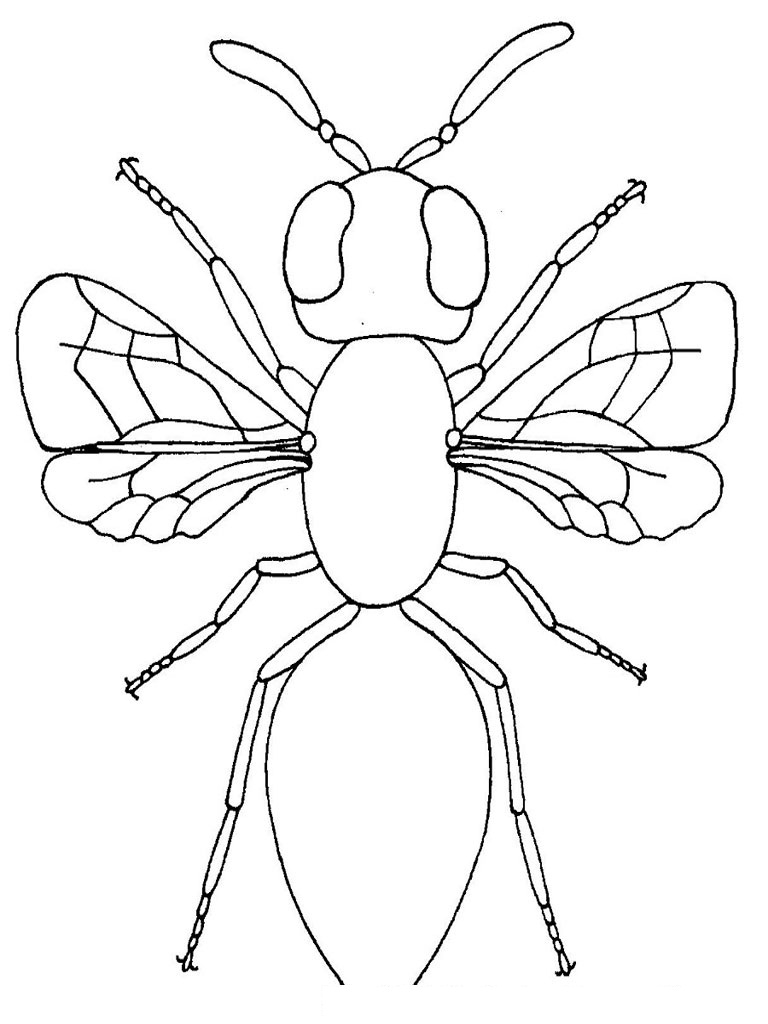
Insect Printable Coloring Pages

Bug Coloring Pages Printable Web Bugs Are Any Small Insect.
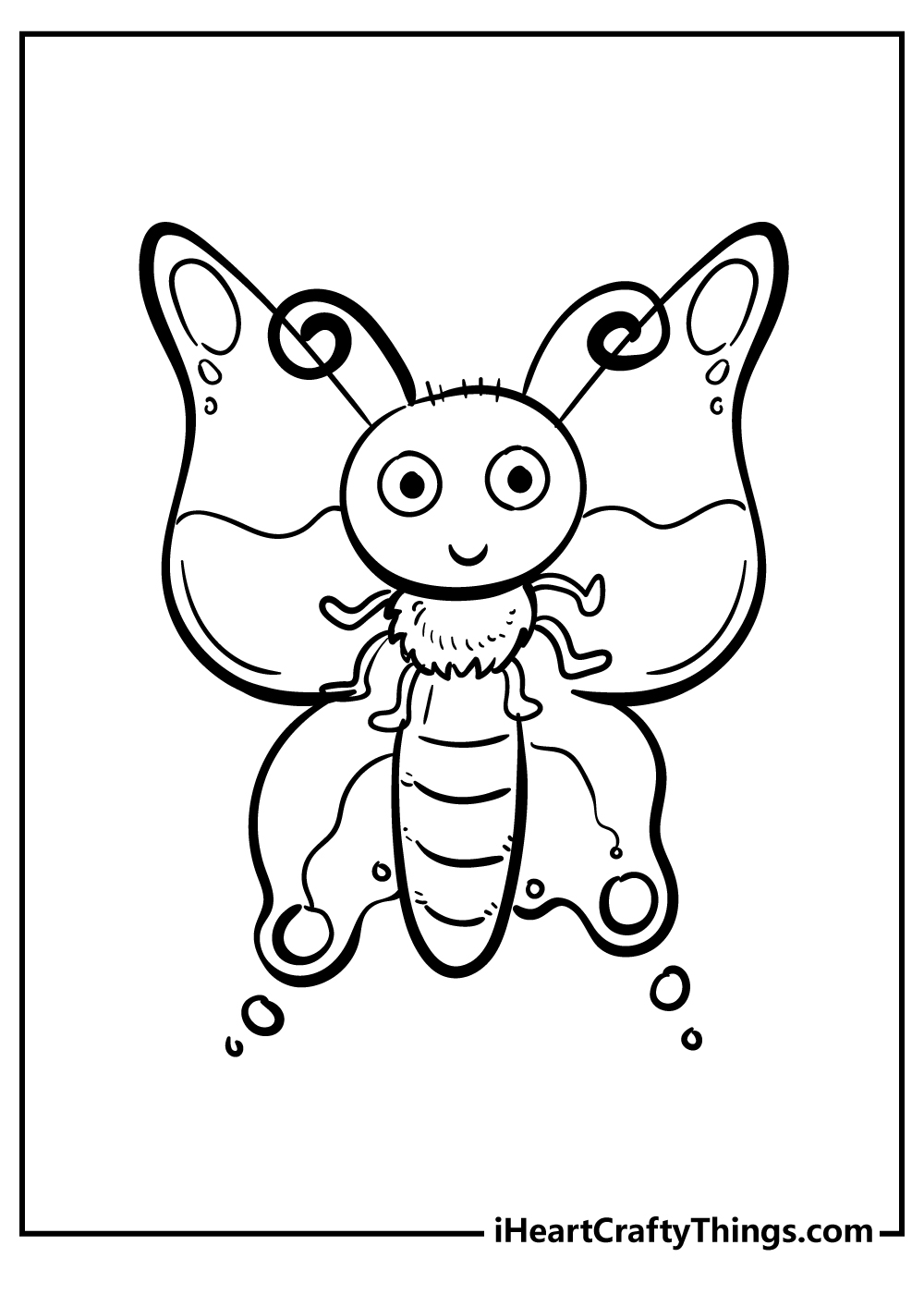
The Wonderful World of Insect Coloring Pages

Insects Coloring Pages (Free Printable PDF)
Insect Printable Coloring Pages

Free Bug Coloring Pages Unleash Your Inner Artist and Discover the

Printable Insect Coloring Pages Butterfly Coloring Pages Makenstitch

Insect Coloring Pages Free

Dive into the Wonderful World of Bug Insect Coloring Pages
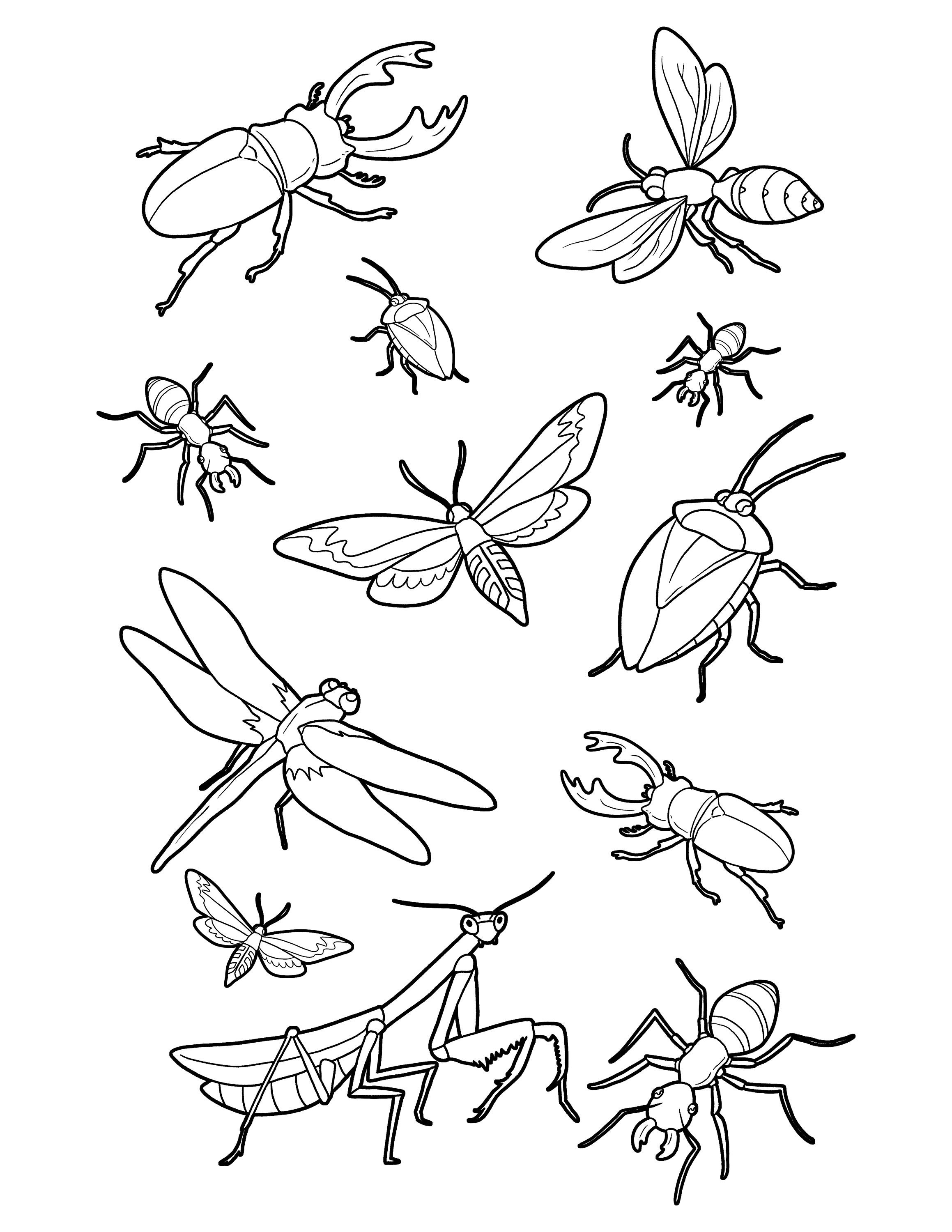
Bug Coloring Page / Bugs and Insects Printable / Digital Download

Free Printable Insects Coloring Pages for Kids
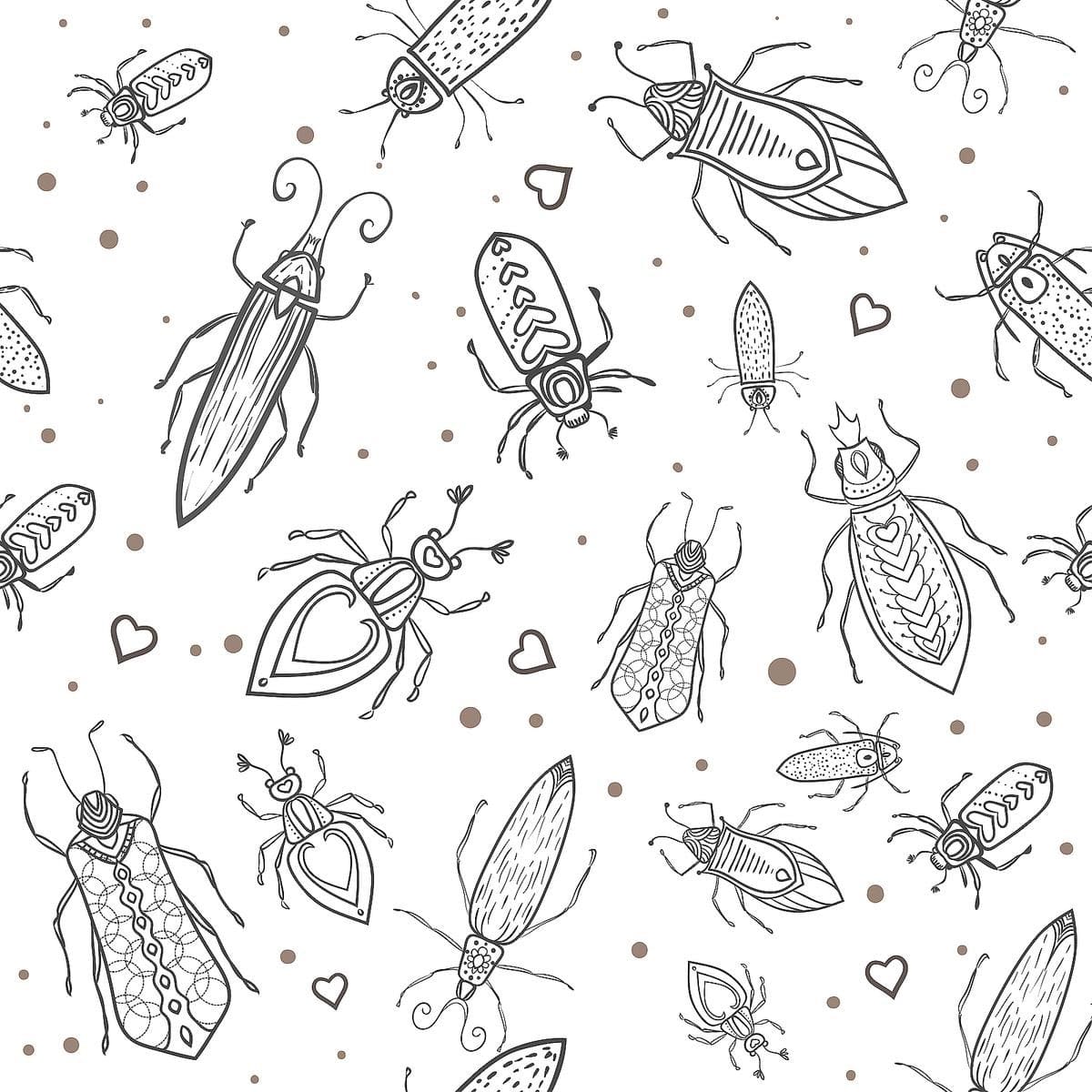
Insect coloring pages ColoringLib

Free Printable Insect Coloring Pages

Insect Printable Coloring Pages Printable New Year Banners
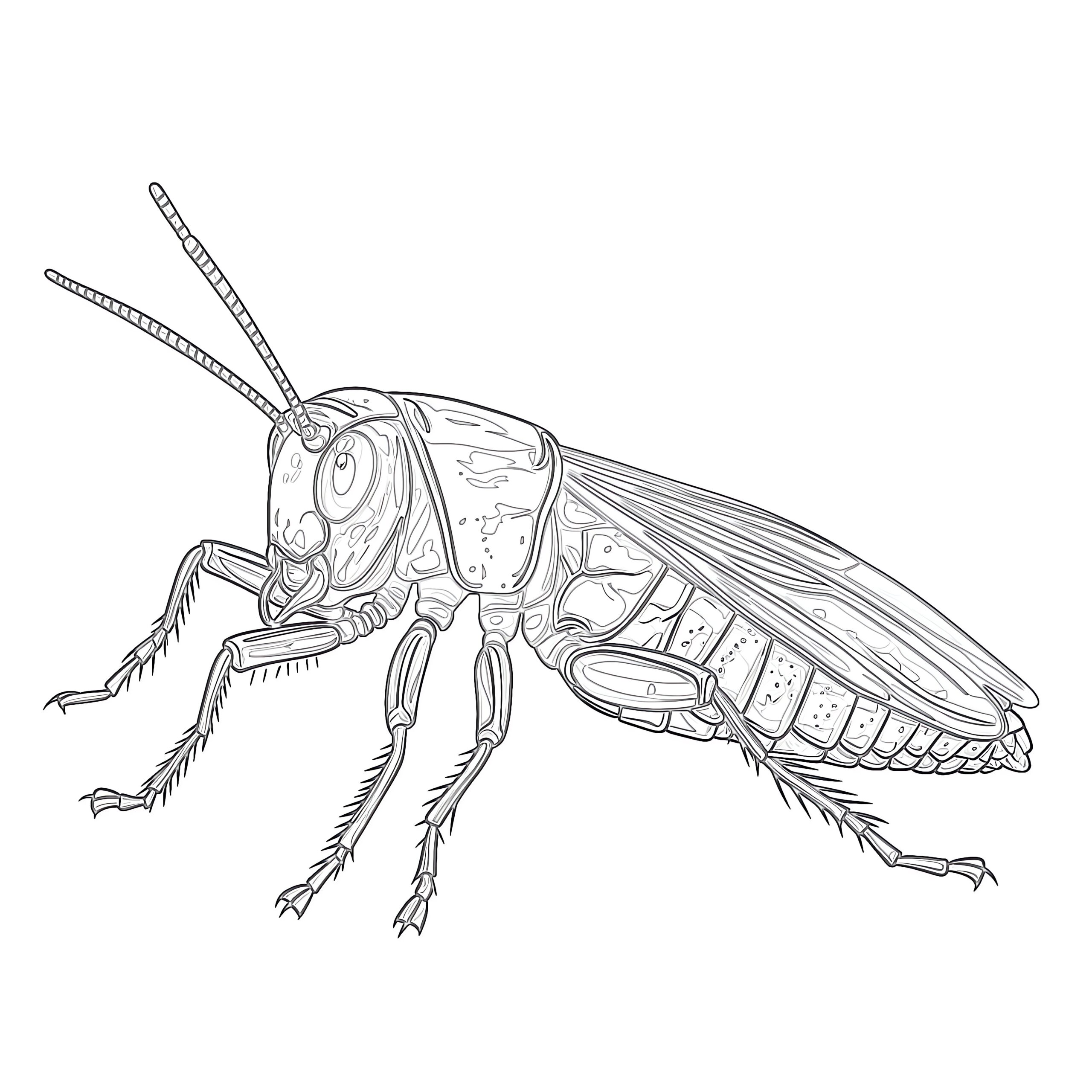
Free Printable Insect Coloring Pages Coloring Pages Mimi Panda

Free Bug Coloring Pages Unleash Your Inner Artist and Discover the
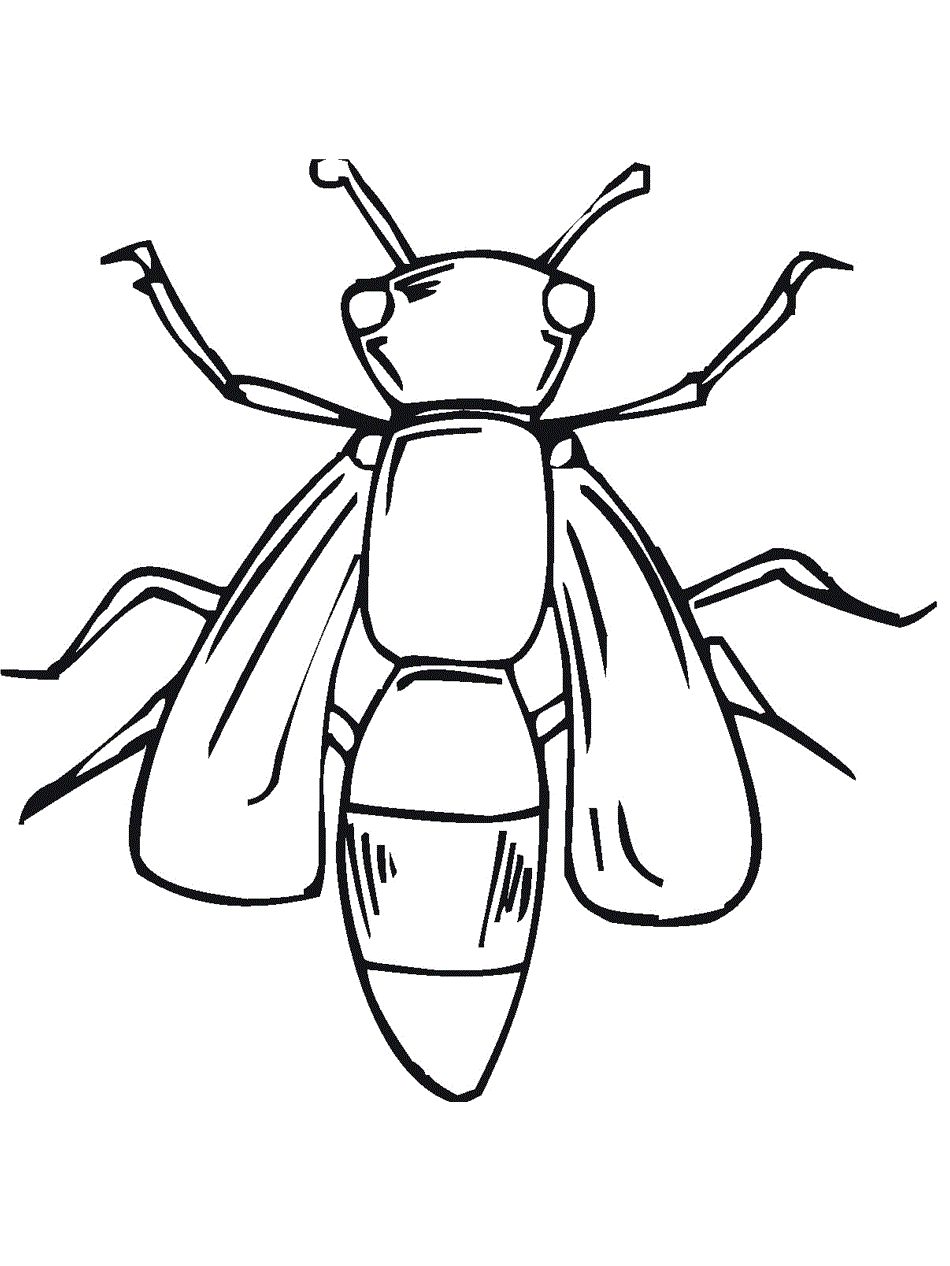
Printable Insect Coloring Pages
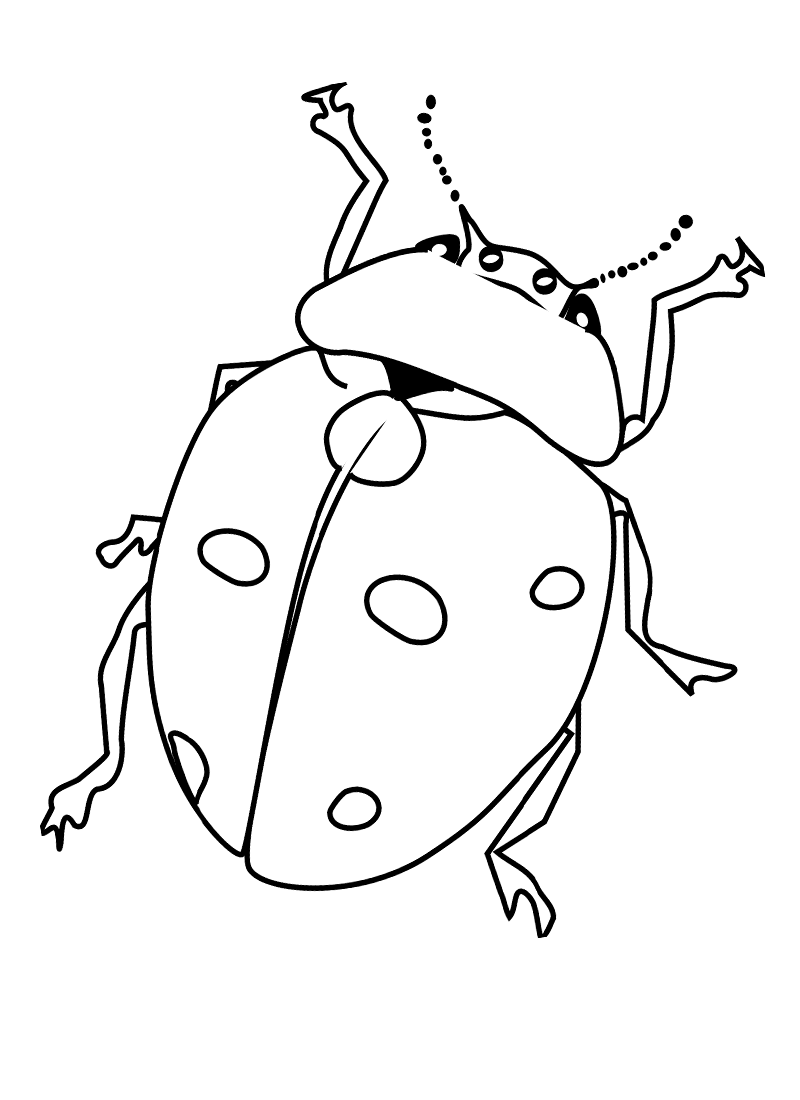
Free Printable Bug Coloring Pages For Kids
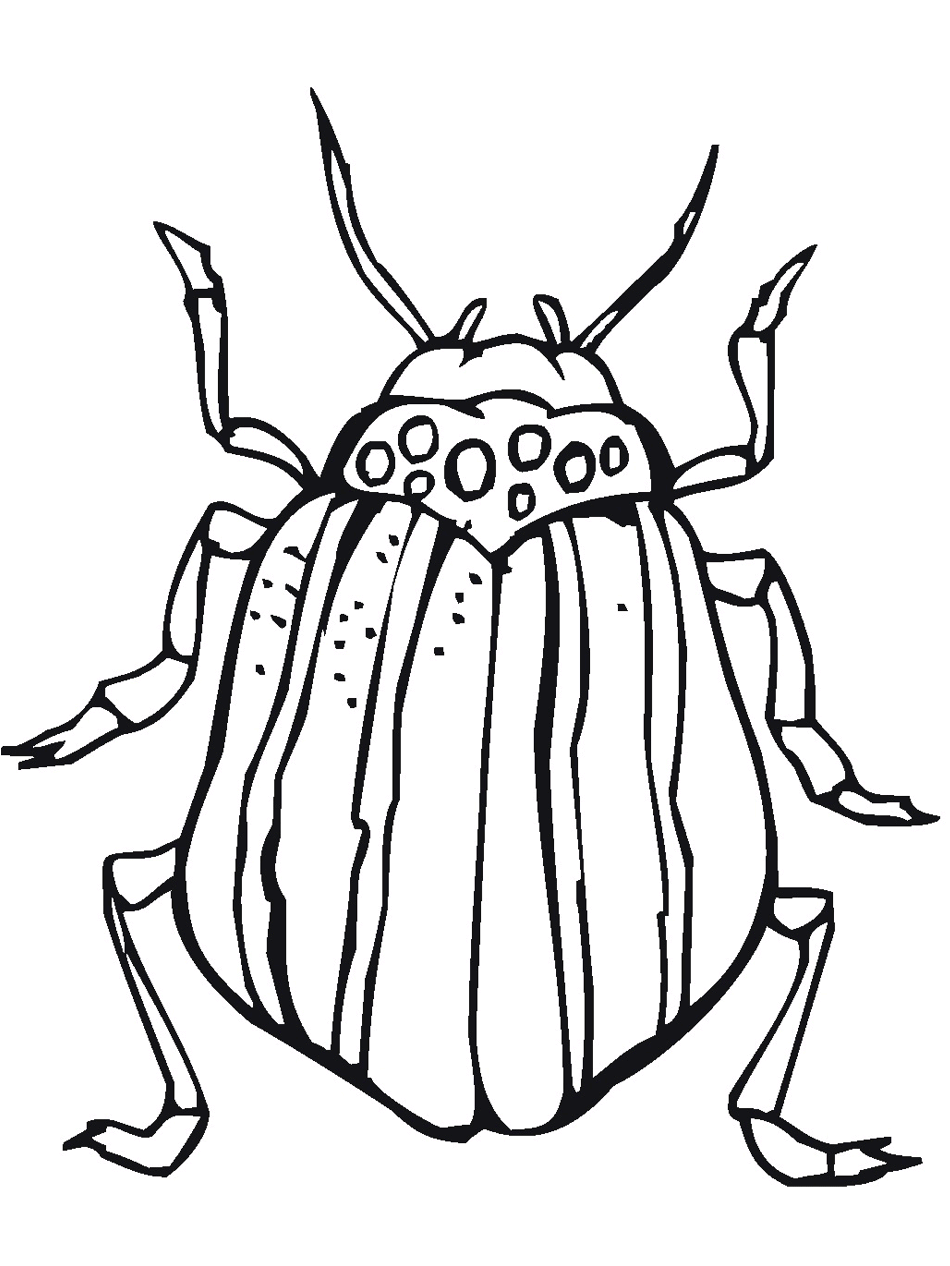
Bug Coloring Pages Printable

Insect Printable Coloring Pages

Insect Coloring Pages 3 Coloring Pages To Print

Printable Bugs

Insects Printable Coloring Pages Printable Yearly Calendar

Free Printable Insects Coloring Pages for Kids
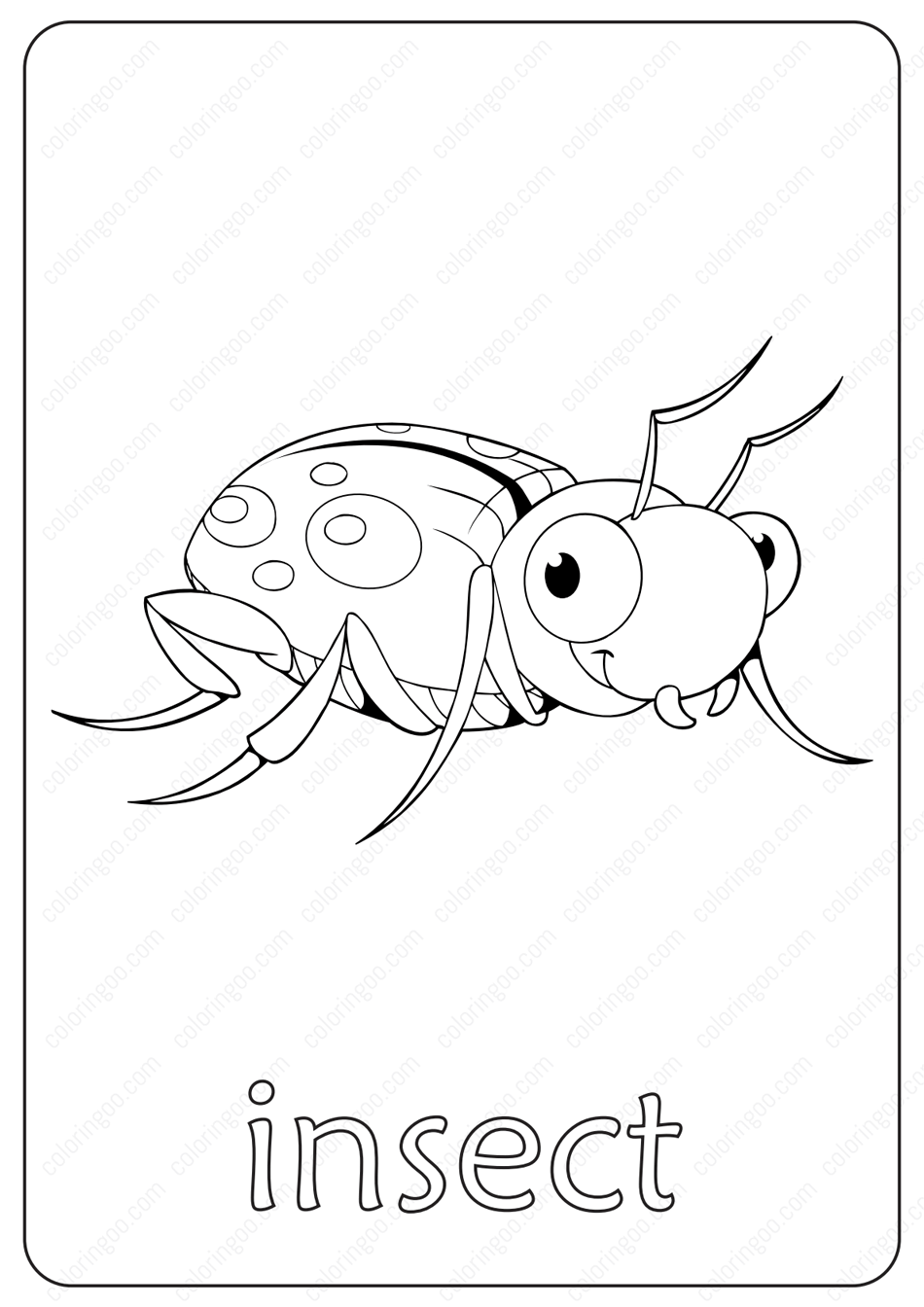
Printable Insect Coloring Page Book PDF

Insect Printable Coloring Pages

Coloring Pages Of Insects
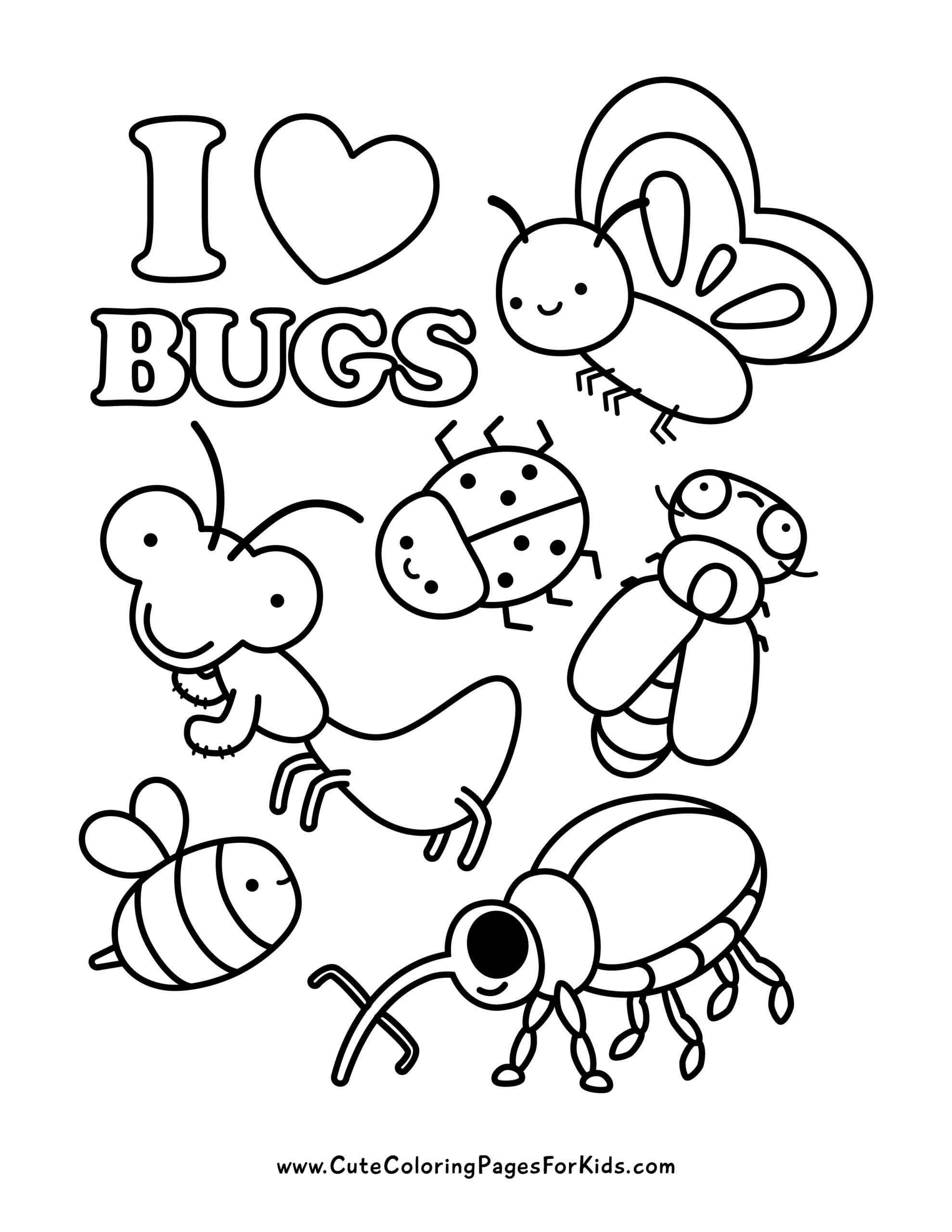
Insect Coloring Pages (12 Cute Bug Pictures to Color) Cute Coloring

Free Printable Insects Coloring Pages for Kids

Free Insect Printables Coloring Pages Printable Free Templates

Free Printable Insect Coloring Pages at Free
On The Head Are An Insect's Compound Eyes, Its Two Antennae (They Feel And Smell Things), And Its Mouth.
Many Insects Also Have Wings, Though Not All Of Them Fly.
Each Entry Highlights The Insect’s Appearance, Behavior, Habitat,.
Their Bodies Are Divided Into Three Major Regions:
Related Post: