
Pupillary Distance Printable Ruler
Pupillary Distance Printable Ruler - Relating to the pupil (= the circular black area in the centre of the eye): It is measured in millimeters (mm) and goes from the center of one pupil to the center. Mydriasis is the most common pupillary abnormality during seizures, due to sympathetic activation. Here we review the basic physiology then describe these abnormal pupillary responses and how to find them. They shrink in bright light and get bigger in dim light. Your pupillary light reflex controls the size of your pupils. Includes average pd ranges by age. The meaning of pupillary is of or relating to the pupil of the eye. This constant adjustment is a fundamental function. There are a handful of pupillary abnormalities that every clinician should know. Constriction of the pupil occurs when the circular muscle, controlled by the parasympathetic nervous system (psns), contracts, and also to an extent when the radial muscle relaxes. It is measured in millimeters (mm) and goes from the center of one pupil to the center. The meaning of pupillary is of or relating to the pupil of the eye. When light. When light is shone to either of the eyes both the pupil. Here we review the basic physiology then describe these abnormal pupillary responses and how to find them. There are a handful of pupillary abnormalities that every clinician should know. Includes average pd ranges by age. Your pupillary light reflex controls the size of your pupils. They shrink in bright light and get bigger in dim light. Constriction of the pupil occurs when the circular muscle, controlled by the parasympathetic nervous system (psns), contracts, and also to an extent when the radial muscle relaxes. Pupillary distance (pd) describes the amount of space between the pupils of your right and left eyes. The pupillary response describes the. Mydriasis is the most common pupillary abnormality during seizures, due to sympathetic activation. This constant adjustment is a fundamental function. Your pupillary light reflex controls the size of your pupils. There are a handful of pupillary abnormalities that every clinician should know. Relating to the pupil (= the circular black area in the centre of the eye): Here we review the basic physiology then describe these abnormal pupillary responses and how to find them. Learn what pupillary distance is, why it matters for your glasses, and how to measure your pd accurately at home. Your pupillary light reflex controls the size of your pupils. It is measured in millimeters (mm) and goes from the center of one. This constant adjustment is a fundamental function. Your pupillary light reflex controls the size of your pupils. Learn what pupillary distance is, why it matters for your glasses, and how to measure your pd accurately at home. Constriction of the pupil occurs when the circular muscle, controlled by the parasympathetic nervous system (psns), contracts, and also to an extent when. When light is shone to either of the eyes both the pupil. It is measured in millimeters (mm) and goes from the center of one pupil to the center. Constriction of the pupil occurs when the circular muscle, controlled by the parasympathetic nervous system (psns), contracts, and also to an extent when the radial muscle relaxes. Relating to the pupil. Mydriasis is the most common pupillary abnormality during seizures, due to sympathetic activation. It is measured in millimeters (mm) and goes from the center of one pupil to the center. The pupillary response describes the automatic change in the size of this opening in reaction to various external and internal stimuli. Pupillary distance (pd) describes the amount of space between. They shrink in bright light and get bigger in dim light. Constriction of the pupil occurs when the circular muscle, controlled by the parasympathetic nervous system (psns), contracts, and also to an extent when the radial muscle relaxes. The pupillary response describes the automatic change in the size of this opening in reaction to various external and internal stimuli. This. Learn what pupillary distance is, why it matters for your glasses, and how to measure your pd accurately at home. The pupillary response describes the automatic change in the size of this opening in reaction to various external and internal stimuli. They shrink in bright light and get bigger in dim light. Constriction of the pupil occurs when the circular. Relating to the pupil (= the circular black area in the centre of the eye): This constant adjustment is a fundamental function. The pupillary response describes the automatic change in the size of this opening in reaction to various external and internal stimuli. They shrink in bright light and get bigger in dim light. The meaning of pupillary is of. Constriction of the pupil occurs when the circular muscle, controlled by the parasympathetic nervous system (psns), contracts, and also to an extent when the radial muscle relaxes. Includes average pd ranges by age. Pupillary distance (pd) describes the amount of space between the pupils of your right and left eyes. When light is shone to either of the eyes both. There are a handful of pupillary abnormalities that every clinician should know. The meaning of pupillary is of or relating to the pupil of the eye. It is measured in millimeters (mm) and goes from the center of one pupil to the center. Includes average pd ranges by age. The pupillary response describes the automatic change in the size of. Pupillary distance (pd) describes the amount of space between the pupils of your right and left eyes. Your pupillary light reflex controls the size of your pupils. This constant adjustment is a fundamental function. Learn what pupillary distance is, why it matters for your glasses, and how to measure your pd accurately at home. Constriction of the pupil occurs when. Pupillary distance (pd) describes the amount of space between the pupils of your right and left eyes. Relating to the pupil (= the circular black area in the centre of the eye): Includes average pd ranges by age. The pupillary response describes the automatic change in the size of this opening in reaction to various external and internal stimuli. Mydriasis. Relating to the pupil (= the circular black area in the centre of the eye): It is measured in millimeters (mm) and goes from the center of one pupil to the center. Constriction of the pupil occurs when the circular muscle, controlled by the parasympathetic nervous system (psns), contracts, and also to an extent when the radial muscle relaxes. When. There are a handful of pupillary abnormalities that every clinician should know. This constant adjustment is a fundamental function. The meaning of pupillary is of or relating to the pupil of the eye. It is measured in millimeters (mm) and goes from the center of one pupil to the center. Mydriasis is the most common pupillary abnormality during seizures, due. Here we review the basic physiology then describe these abnormal pupillary responses and how to find them. Pupillary distance (pd) describes the amount of space between the pupils of your right and left eyes. Relating to the pupil (= the circular black area in the centre of the eye): The pupillary response describes the automatic change in the size of. Relating to the pupil (= the circular black area in the centre of the eye): Learn what pupillary distance is, why it matters for your glasses, and how to measure your pd accurately at home. Pupillary distance (pd) describes the amount of space between the pupils of your right and left eyes. Constriction of the pupil occurs when the circular. Relating to the pupil (= the circular black area in the centre of the eye): The meaning of pupillary is of or relating to the pupil of the eye. Your pupillary light reflex controls the size of your pupils. Here we review the basic physiology then describe these abnormal pupillary responses and how to find them. When light is shone. Relating to the pupil (= the circular black area in the centre of the eye): Here we review the basic physiology then describe these abnormal pupillary responses and how to find them. They shrink in bright light and get bigger in dim light. When light is shone to either of the eyes both the pupil. There are a handful of. Constriction of the pupil occurs when the circular muscle, controlled by the parasympathetic nervous system (psns), contracts, and also to an extent when the radial muscle relaxes. They shrink in bright light and get bigger in dim light. The meaning of pupillary is of or relating to the pupil of the eye. Learn what pupillary distance is, why it matters. The meaning of pupillary is of or relating to the pupil of the eye. There are a handful of pupillary abnormalities that every clinician should know. Pupillary distance (pd) describes the amount of space between the pupils of your right and left eyes. They shrink in bright light and get bigger in dim light. It is measured in millimeters (mm). They shrink in bright light and get bigger in dim light. Here we review the basic physiology then describe these abnormal pupillary responses and how to find them. The pupillary response describes the automatic change in the size of this opening in reaction to various external and internal stimuli. The meaning of pupillary is of or relating to the pupil. Here we review the basic physiology then describe these abnormal pupillary responses and how to find them. There are a handful of pupillary abnormalities that every clinician should know. They shrink in bright light and get bigger in dim light. This constant adjustment is a fundamental function. Constriction of the pupil occurs when the circular muscle, controlled by the parasympathetic. Your pupillary light reflex controls the size of your pupils. Constriction of the pupil occurs when the circular muscle, controlled by the parasympathetic nervous system (psns), contracts, and also to an extent when the radial muscle relaxes. They shrink in bright light and get bigger in dim light. The pupillary response describes the automatic change in the size of this. When light is shone to either of the eyes both the pupil. It is measured in millimeters (mm) and goes from the center of one pupil to the center. This constant adjustment is a fundamental function. Pupillary distance (pd) describes the amount of space between the pupils of your right and left eyes. Mydriasis is the most common pupillary abnormality. There are a handful of pupillary abnormalities that every clinician should know. This constant adjustment is a fundamental function. Relating to the pupil (= the circular black area in the centre of the eye): Your pupillary light reflex controls the size of your pupils. Includes average pd ranges by age. Pupillary distance (pd) describes the amount of space between the pupils of your right and left eyes. Your pupillary light reflex controls the size of your pupils. Constriction of the pupil occurs when the circular muscle, controlled by the parasympathetic nervous system (psns), contracts, and also to an extent when the radial muscle relaxes. The meaning of pupillary is of. The pupillary response describes the automatic change in the size of this opening in reaction to various external and internal stimuli. The meaning of pupillary is of or relating to the pupil of the eye. Pupillary distance (pd) describes the amount of space between the pupils of your right and left eyes. Constriction of the pupil occurs when the circular. This constant adjustment is a fundamental function. Relating to the pupil (= the circular black area in the centre of the eye): The pupillary response describes the automatic change in the size of this opening in reaction to various external and internal stimuli. They shrink in bright light and get bigger in dim light. Mydriasis is the most common pupillary. Includes average pd ranges by age. Here we review the basic physiology then describe these abnormal pupillary responses and how to find them. This constant adjustment is a fundamental function. The meaning of pupillary is of or relating to the pupil of the eye. Mydriasis is the most common pupillary abnormality during seizures, due to sympathetic activation. It is measured in millimeters (mm) and goes from the center of one pupil to the center. The meaning of pupillary is of or relating to the pupil of the eye. Your pupillary light reflex controls the size of your pupils. They shrink in bright light and get bigger in dim light. When light is shone to either of the. Here we review the basic physiology then describe these abnormal pupillary responses and how to find them. When light is shone to either of the eyes both the pupil. Your pupillary light reflex controls the size of your pupils. The meaning of pupillary is of or relating to the pupil of the eye. Pupillary distance (pd) describes the amount of. They shrink in bright light and get bigger in dim light. There are a handful of pupillary abnormalities that every clinician should know. Relating to the pupil (= the circular black area in the centre of the eye): When light is shone to either of the eyes both the pupil. The pupillary response describes the automatic change in the size. Mydriasis is the most common pupillary abnormality during seizures, due to sympathetic activation. The pupillary response describes the automatic change in the size of this opening in reaction to various external and internal stimuli. They shrink in bright light and get bigger in dim light. Here we review the basic physiology then describe these abnormal pupillary responses and how to find them. It is measured in millimeters (mm) and goes from the center of one pupil to the center. Includes average pd ranges by age. Relating to the pupil (= the circular black area in the centre of the eye): The meaning of pupillary is of or relating to the pupil of the eye. Learn what pupillary distance is, why it matters for your glasses, and how to measure your pd accurately at home. Constriction of the pupil occurs when the circular muscle, controlled by the parasympathetic nervous system (psns), contracts, and also to an extent when the radial muscle relaxes. There are a handful of pupillary abnormalities that every clinician should know. This constant adjustment is a fundamental function.
PD Ruler Guide (with Printable PDF) Worksheets Library


Printable Pupil Distance Ruler Printable Word Searches

Pupillary Distance(PD ruler) GlassesEasyBuy


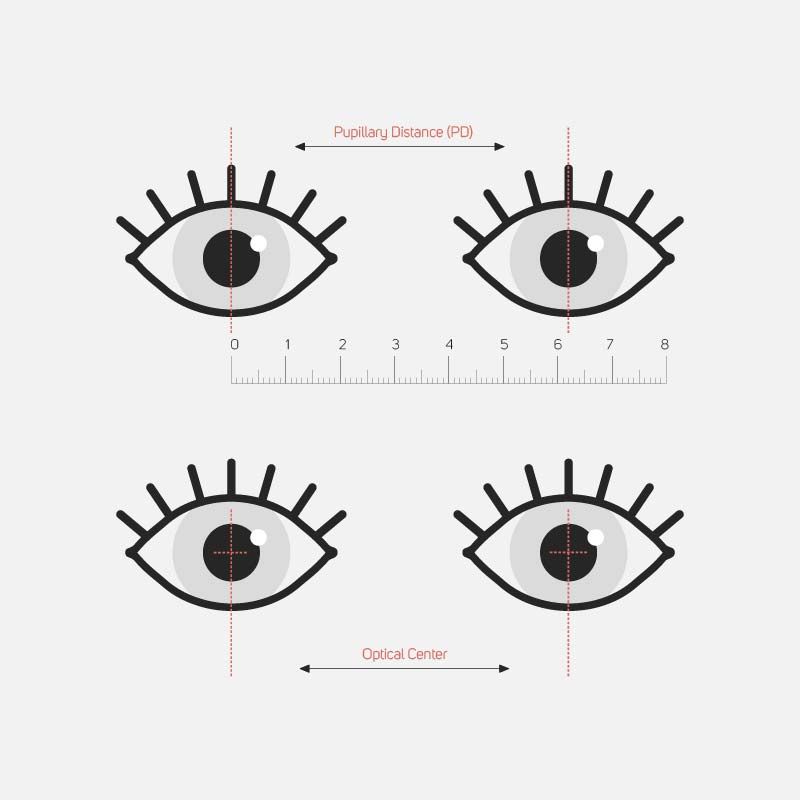
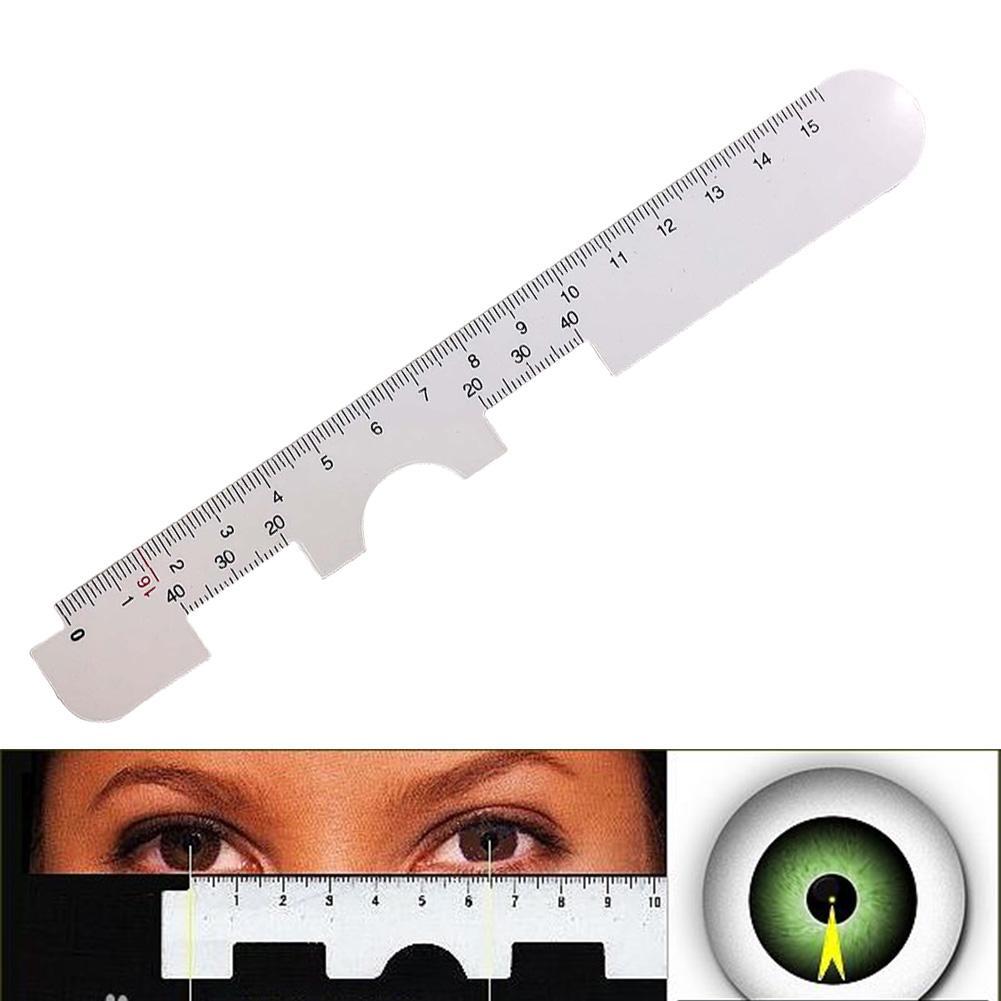
Printable Pupillary Distance Ruler

Measuring Made Easy Zenni's Online PD Tool Zenni Optical Canada Blog
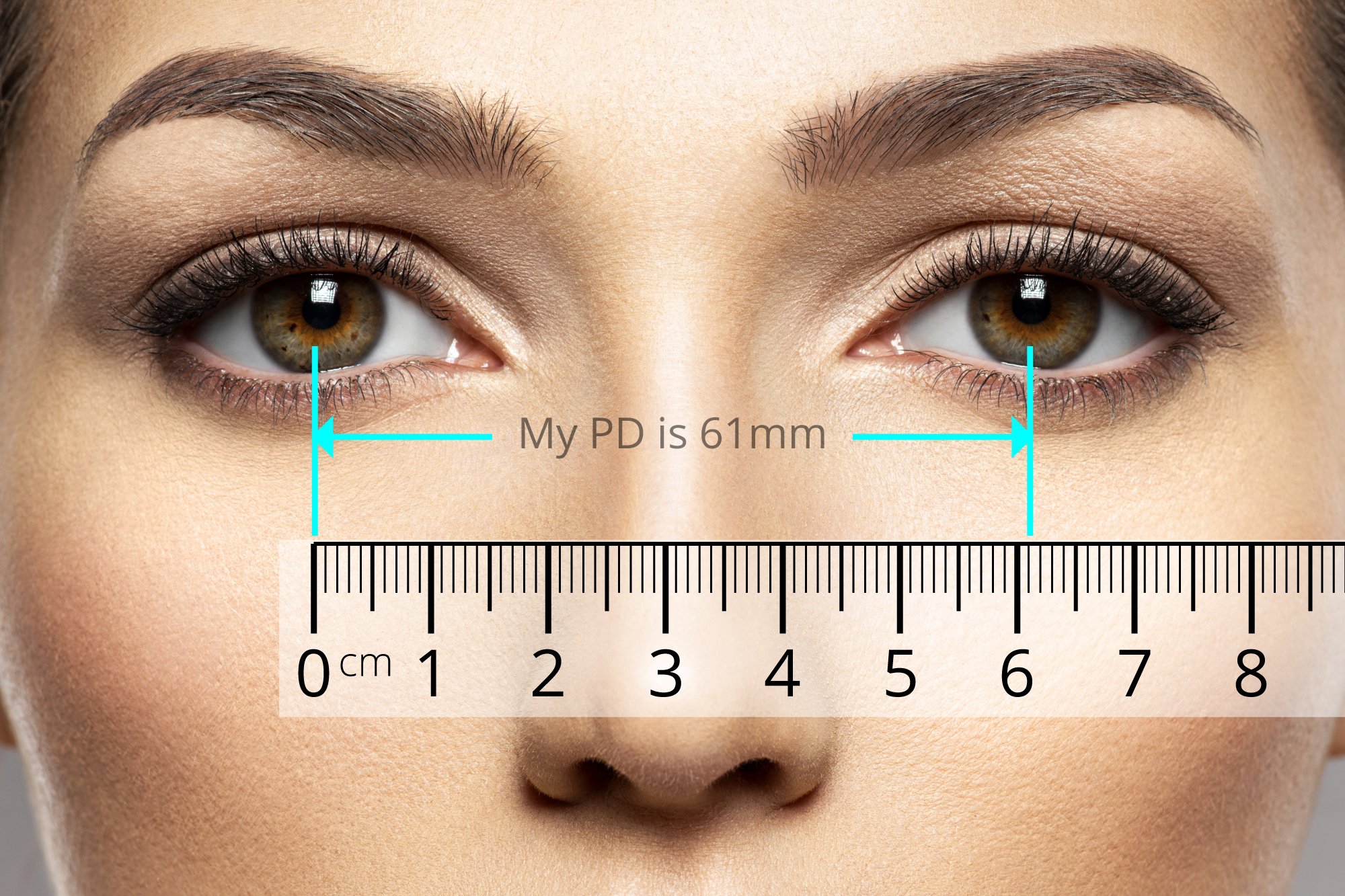
Printable Ruler To Measure Pupillary Distance

How To Measure Your PD [Rated 1 Accurate Easy Method] MarvelOptics™
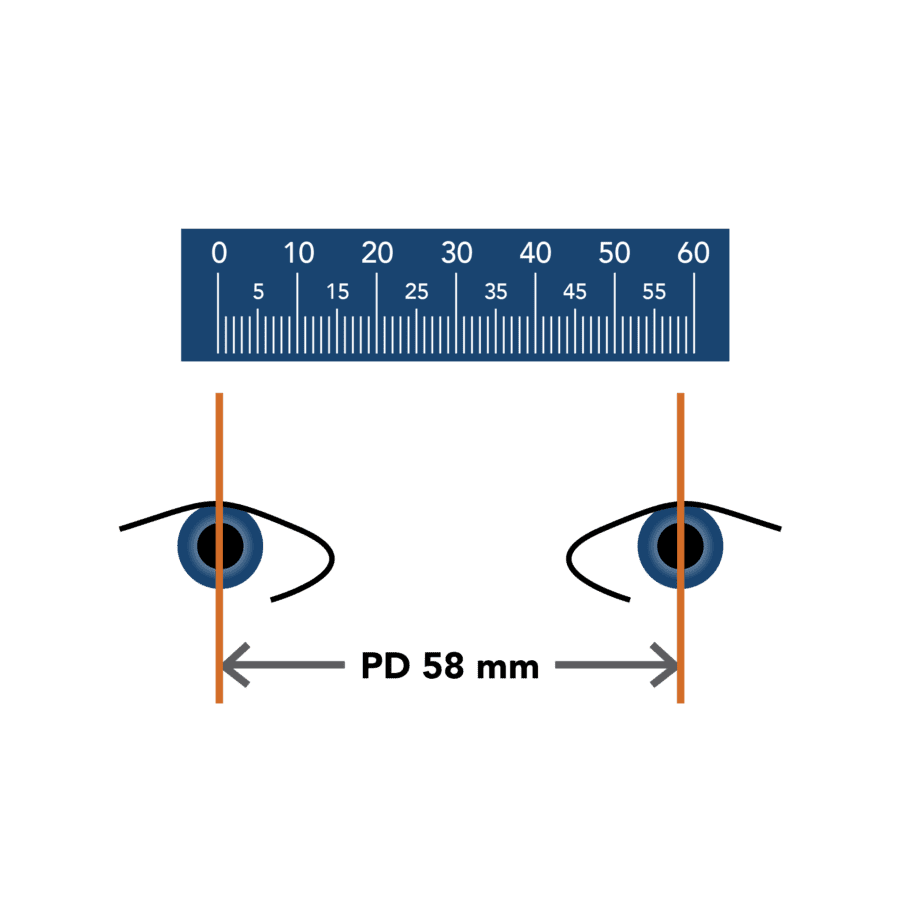
Printable Pupillary Distance Ruler

Printable Pd Eye Ruler
How to Measure Pupillary Distance (PD) Yesglasses

Printable Pupillary Distance Ruler FREE Printables

Pupil Distance Ruler Printable

Pupillary Distance Ruler Printable, Web your pd is very important for
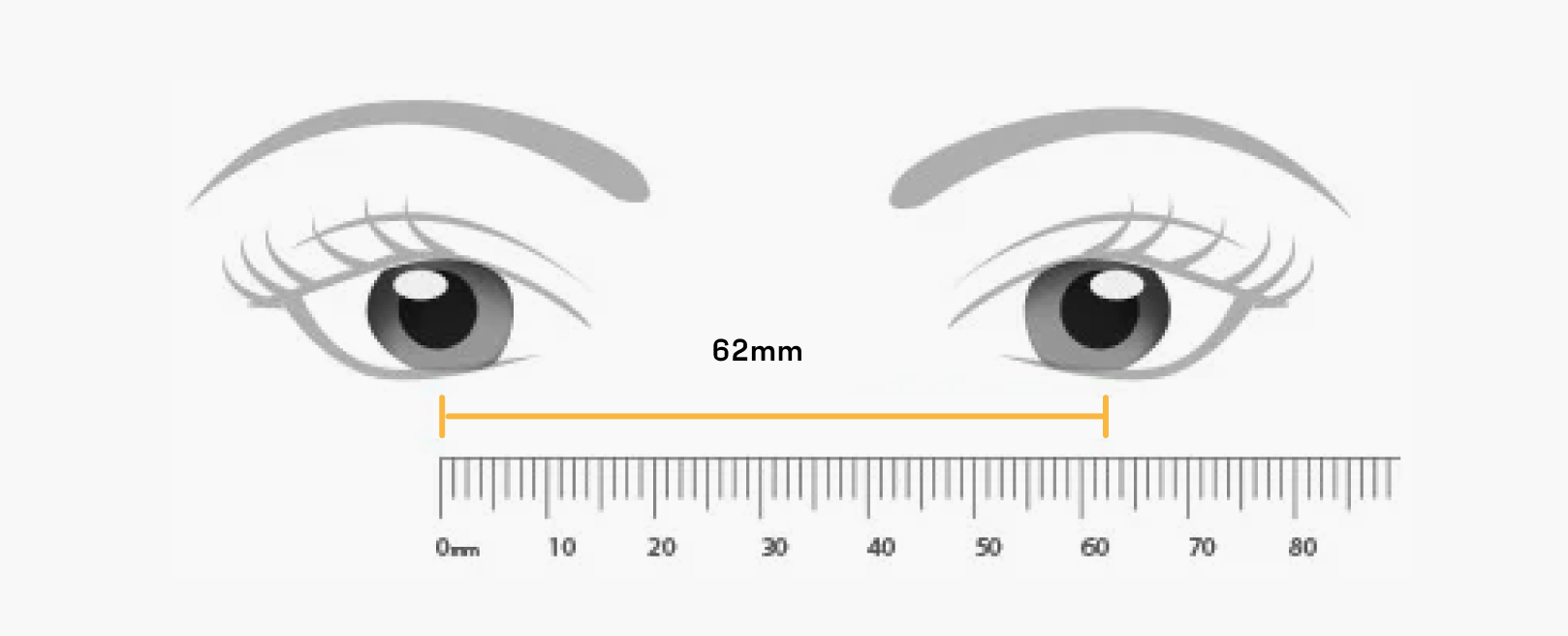
Printable Pd Ruler For Eyes

2Pcs PD Ruler Pupil Distance Meter Ruler Eye Ophthalmic Tool For Eye

PD Ruler 5pcs Optical Ruler Pupillary Distance Ruler Pupil Distance
Printable Pd Ruler For Eyes
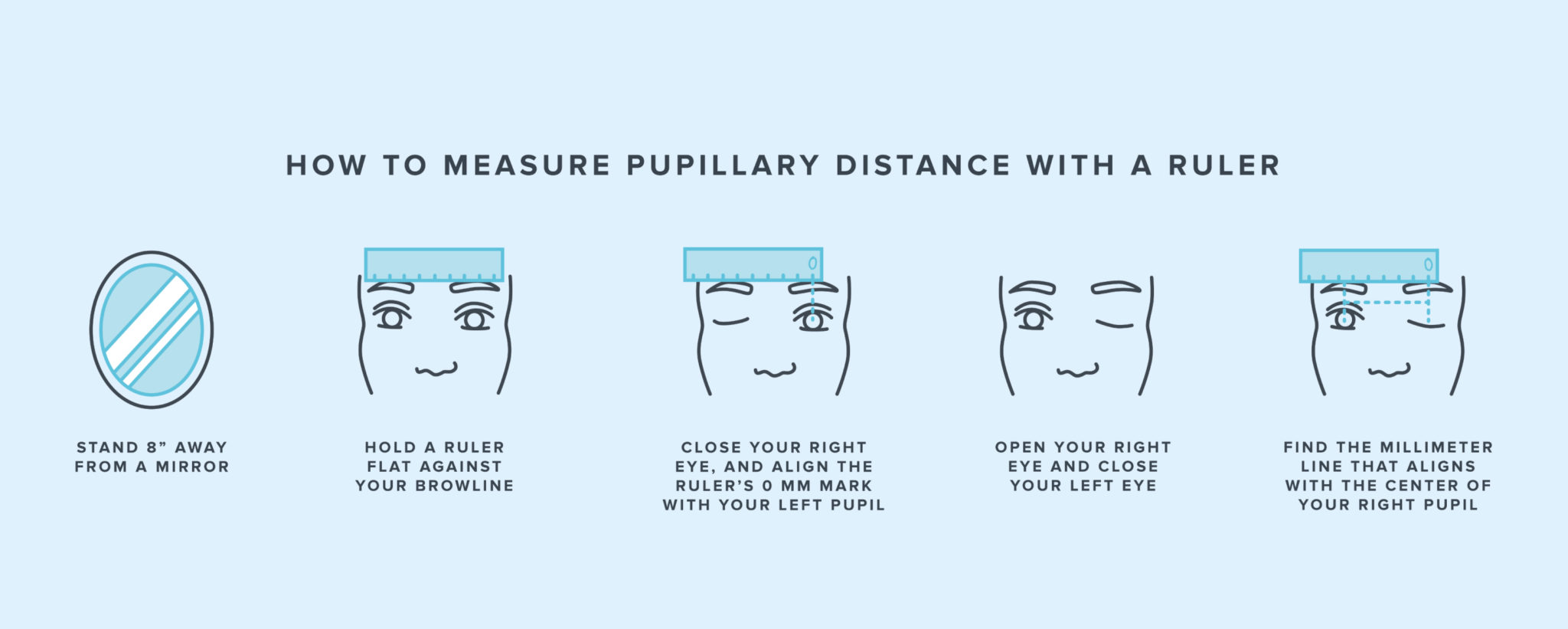

Pd Ruler Measure / Printable Pd Ruler Online / Ruler Pd Pupillary Pupil

Download Printable Pd Ruler

Printable Pd Eye Ruler

Measuring Tools Pupillary Distance Ruler 59inch Accurate PD Measurement

Pupillary Distance Printable Ruler Ataglance Printable Calendar

Printable Pupillary Distance Ruler FREE Printables
Your Pupillary Light Reflex Controls The Size Of Your Pupils.
Pupillary Distance (Pd) Describes The Amount Of Space Between The Pupils Of Your Right And Left Eyes.
When Light Is Shone To Either Of The Eyes Both The Pupil.
Related Post:
